An economic institution submits a proposal to the Iraqi government to stop the rise of the dollar in the parallel market.
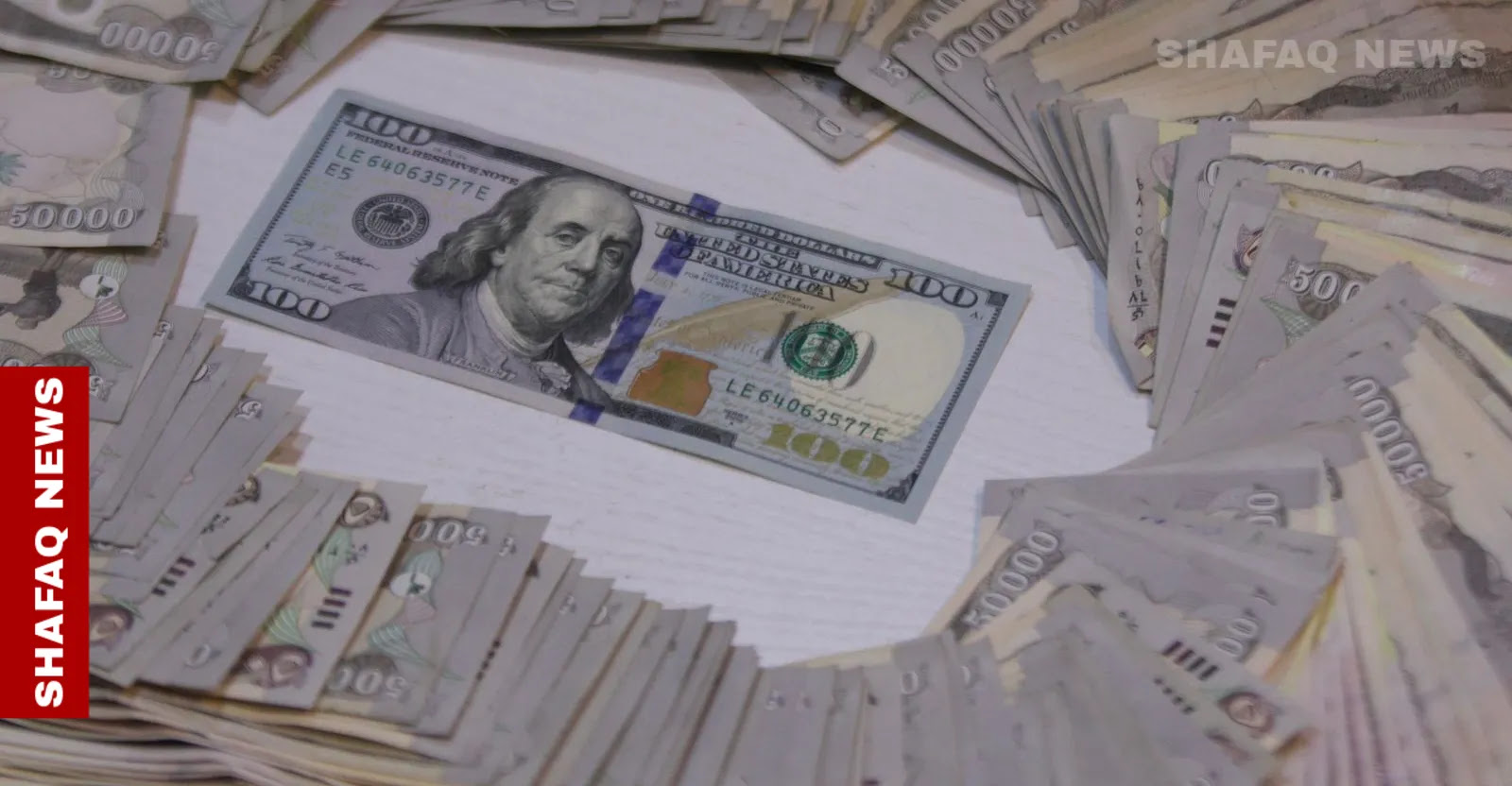
The “Iraq Future” Economic Foundation attributed the rise in the dollar exchange rate against the dinar in the parallel market to the increased demand for hard US currency by small traders who import goods and services other than food items, while suggesting that these commercial segments be accommodated by selling dollars to them at the official rate.
The video for this My FX Buddies Blog post is below here:
The head of the institution, Manar Al-Obaidi, said in a post on social media that "the past few days have witnessed a remarkable rise in the exchange rate of the dollar against the Iraqi dinar, reaching unprecedented levels in the parallel market, which has brought back to the forefront legitimate questions about the reasons for this rise, its limits, and the extent of its actual impact on the daily life of the citizen."
He explained that "the fundamental reason for this increase is not related to the shortage of dollars as much as it is related to the inability of large commercial sectors to enter into the formal channels for financial transfer. At the forefront of these sectors are the trade in clothes, shoes, furniture and used cars."
Al-Obaidi also pointed out that "the problem lies in the absence of a clear institutional structure for the supply chains of these activities. The majority of importers are at the same time small shop owners or distributors, lacking legal and regulatory entities capable of meeting the requirements of official transfer and direct import," adding that "as a result, they still rely on the parallel market to provide hard currency, which generates continuous pressure that raises the exchange rate outside the official framework."
Given this reality, three possible paths for future developments can be envisioned."
He went on to say that “the first possibility: continued high demand in the parallel market, which leads to a further rise in the exchange rate there. However, experience has proven that this rise is not significantly reflected in the prices of basic commodities, especially food and medicine, as more than 95% of traders in these two sectors are now able to transfer through the official system at a rate close to 1320 dinars per dollar, which limits the transmission of the shocks of the parallel market to the citizen’s livelihood.”
Al-Ubaidi added that "the second possibility is that the government will move towards establishing a special platform for small traders to purchase goods from specific countries, provided that official bodies - such as the Central Bank or some government banks such as the Trade Bank of Iraq - handle the direct financial settlement operations with those countries, without the trader himself carrying out the transfer process."
He continued, saying that "the third possibility (which is closest to reality): shipping and customs clearance companies will become actual importers, carrying out import, transfer and clearance operations, and will transform from a logistics partner to an integrated commercial partner, a scenario that is likely to expand rapidly if the necessary regulatory and banking facilities are available to it."
The head of the institution pointed out that "the bet on small traders entering the official financial platform individually remains unlikely in the near term, for reasons related to their lack of legal and regulatory readiness, as well as the banks' focus on large importers due to the high operational costs required to deal with large numbers of small clients."
Al-Ubaidi concluded that “from here, the state appears to be facing two clear options: either to take the initiative to find structural solutions that accommodate these commercial segments within the formal financial system, or to accept the continued rise in the exchange rate in the parallel market and bear its media and social consequences, before they become economic,” considering that “the file is no longer purely technical, but has become a test of the ability of economic policies to move from managing the crisis to addressing its roots.”
Iraq's liquidity crisis deepens, delaying salary payments and prompting parliamentary action to determine the fate of 28 trillion dinars.

An informed source revealed on Saturday that the salaries of central finance employees in state ministries and institutions have not been disbursed yet, attributing the reason to a lack of financial liquidity and a shortage of cash at government banks, especially Al-Rafidain and Al-Rasheed banks.
The source explained in a statement to Shafaq News Agency that "the delay in disbursement comes despite the fact that the last days of February have begun," noting that "the financial procedures have not been completed due to the limited cash available in government banks, which has negatively affected the date of salary release."
He added that “state employees’ salaries will be delayed for about 20 days this month as a result of the ongoing liquidity crisis,” noting that “the relevant authorities are working to address the crisis and secure the necessary funds to release the salaries as soon as possible.”
The source also indicated “a parliamentary movement to host the Governor of the Central Bank of Iraq and the directors of government banks, specifically Al-Rafidain and Al-Rasheed banks, within the House of Representatives to discuss the repercussions of the worsening financial crisis in the country, the scarcity of cash liquidity, the high exchange rates of the dollar, in addition to the delay in paying the salaries of employees and retirees.”
Meanwhile, members of the Iraqi parliament stressed that the current stage requires a clear disclosure of the facts to the public, especially regarding the withdrawal of more than 28 trillion dinars from government banks, questioning whether those withdrawals were carried out with official approvals, and where did that money go in light of indications of the waste of public funds and suspicions of administrative and financial corruption?
They stated that the performance of government banks remains below the required level due to their continued reliance on traditional paper-based methods and their failure to keep pace with modern electronic banking systems, which has negatively impacted work efficiency, the speed of completing transactions, and the poor services provided to citizens.
The MPs also stressed the need to reassess the work of the directors of government banks according to their performance level, and to review the approved credit policies, questioning the reasons for the absence of a clear credit plan that contributes to enhancing state revenues and supporting the general budget instead of continuing to rely on limited resources in light of the current economic challenges.
In mid-February, informed sources revealed the worsening financial liquidity crisis in the country, confirming that the available resources were no longer sufficient to secure the payment of salaries for employees and retirees in the coming period.
Sources who spoke to Shafaq News Agency at the time reported that the government was forced to withdraw about 20 trillion dinars from Rafidain Bank, in addition to between 7 and 8 trillion dinars from Rasheed Bank, as well as withdrawing about 7 billion dollars from another bank, along with sums of money from industrial and agricultural banks, in order to cover salaries during the past months.
She explained that these measures have led to the depletion of a large portion of the liquidity available in government banks, which makes the option of delaying the payment of employee salaries strongly on the table during the next stage if urgent financial solutions are not found to contain the crisis.
She pointed out that the continuation of these conditions may exacerbate the financial crisis, especially with the existence of observations related to mismanagement, waste of public money and suspicions in some files, which calls for taking urgent reform measures to ensure financial stability and secure the salaries of employees and retirees on their specified dates.
On the other hand, parliamentarians pointed out that “the amount of cash hoarded by citizens in their homes is estimated at about 80 trillion dinars,” considering that “this figure represents a challenge and an opportunity at the same time, and requires the development of effective financial and banking policies by the Central Bank and the administrations of government banks to restore the confidence of citizens and encourage them to deposit their money within the banking system.”
They stressed that "the economic file represents a major challenge for the executive and legislative authorities," noting that "after the formation of specialized committees, the relevant officials will be hosted, and extensive dialogues will be opened, in addition to following up on parliamentary questions directed to the governor of the Central Bank regarding the financial crisis in order to reach practical solutions that contribute to addressing the current imbalances and enhancing financial stability in the country."
In a related context, observers raised questions about the contract establishing the new Rafidain Bank, and the lack of transparency in disclosing its details, and whether this paves the way for the privatization of government banks or their investment by the private sector,” stressing the need to clarify the nature of the contract and ensure that state assets are not compromised.
In 2021, the Iraqi Ministry of Finance approved a package of reform measures related to the restructuring of Al-Rafidain Bank, in accordance with the "White Paper" on economic reform in the country.
At the end of 2024, Ernst & Young, a professional services firm, confirmed that the restructuring of Rafidain Bank had reached 74%. Firas Kilani, an expert on the restructuring project from the British company, said that "the bank's restructuring project has progressed very significantly since it began in September 2024."
At the beginning of 2025, outgoing Iraqi Prime Minister Mohammed Shia al-Sudani announced that the project to restructure Rafidain Bank had reached its final stages.
Rafidain Bank was established under Law No. (33) of 1941 and commenced its operations on 5/19/1941 with a paid-up capital of (50) fifty thousand dinars. The bank currently has (164) branches inside Iraq in addition to (7) branches abroad, namely: Cairo, Beirut, Abu Dhabi, Bahrain, Sana’a, Amman, Jabal Amman.
At the beginning of 2026, Mazhar Muhammad Salih, the financial advisor to the outgoing Prime Minister, revealed that the new Rafidain Bank would have highly efficient capital, with the possibility of bringing in an international strategic banking partner.
Mazhar told Shafaq News Agency that "the study prepared by one of the major financial companies specializing in banking and financial reform does not go for the option of privatizing Rafidain Bank before starting its structural reform through institutional specialization."
He explained that "this study proposes redefining Rafidain Bank as the sovereign bank of the government, so that its role is limited to managing government financial operations, primarily managing the unified treasury account, and its operational link with more than a thousand government disbursement and spending units."
Saleh also pointed out that “this sovereign bank is entrusted with an organic link to the center of finance and policy in the financial authority, in order to ensure the organization of state finances through precise coordination between revenues and expenditures, and linking this to the cash budget (the government’s cash flow budget), with the aim of achieving the highest levels of efficiency in financial management, discipline, governance, and transparency.”
The government financial advisor added that "the study proposes the establishment of another bank called (Al-Rafidain - One), which operates as a mixed public-private joint-stock company, and follows the principles of the modern banking market."
“This bank is supposed to have highly efficient capital and operate in accordance with Basel (3) regulations, which will enhance the strength of the banking system and deepen the national banking market,” according to Saleh.
He pointed out that “this bank’s business model is based on high compliance levels and low risks, and its main activity is to grant bank credit to natural and legal persons, in accordance with the latest modern banking practices, while employing advanced financial information technology (FinTech) in a way that achieves digital financial inclusion, and contributes to integrating the national banking market and transforming it into a unified and effective force.”
Saleh concluded by saying that “Rafidain Bank – One undertakes the practice of financing foreign trade, with the possibility of bringing in an international strategic banking partner, which will raise its operational and technical capabilities, and gradually elevate it to the ranks of regional banks with high credit ratings, and make it a real lever for modernizing the Iraqi banking sector and supporting sustainable economic development.”
MP: Central Bank has utterly failed to address the liquidity crisis
Member of Parliament Youssef Al-Kalabi stated that the Central Bank has failed miserably in addressing the financial liquidity crisis within Iraq .
Al-Kalabi said in a televised interview followed by Al-Sa’a Network that “there is a real problem with financial liquidity,” noting that “the Central Bank bears the responsibility for managing monetary policy and liquidity within Iraq .”
He added that "the Central Bank of Iraq has failed miserably to conduct parallel activities with the activation of the electronic platform, in order to find solutions to strengthen the Iraqi currency ."
He explained that "the problem is not with the dollar because it is increasing, but the real problem lies with the Iraqi dinar
An economist unravels the mystery of the parallel dollar exchange rate surge in Iraq.

Economic expert Nabil Al-Marsoumi revealed on Saturday the reasons behind the recent rise in the dollar exchange rate against the dinar in the parallel market, stressing that the changes in import mechanisms and the application of digital customs systems have directly contributed to reducing the supply and increasing the demand for hard currency.
Al-Marsoumi explained in a post followed by “Al-Sa’a” that “the first reason is the scarcity of the dollar supply within the parallel market, as a result of the application of the ASYCUDA system for automating customs data, which has limited the phenomenon of inflated import invoices, and contributed to reducing what is known as the ‘return dollar,’ which are operations that allowed making profits by exploiting the price difference between the official platform and the black market.”
He added that "the second factor relates to the high demand for the parallel dollar to finance import operations through the Kurdistan Region's ports, as a number of traders are turning to those ports because of their lower costs compared to the ports in the central and southern regions, which have seen an increase in fees after the implementation of the new customs tariff and ASYCUDA controls."
He pointed out that "these data prompted some importers to resort to the parallel market to secure foreign currency instead of the official platform, which caused additional pressure on the exchange rate and raised the levels of demand in the black market."
For months, the exchange rate of the dollar in Iraq has been experiencing frequent fluctuations between the official rate adopted by the Central Bank and the rate traded in the parallel market, amid government measures aimed at controlling import operations and regulating the movement of hard currency.
The Central Bank of Iraq had tightened the mechanisms for financing foreign trade through the official platform during the past period, in conjunction with the application of the ASYCUDA customs automation system in a number of border crossings, to reduce manipulation of import invoices and prevent currency smuggling.
“K” Company launches installment service in cooperation with Miswak Hypermarket

The global smart card company “Key” confirmed the launch of the installment service in cooperation with Miswak Hypermarket, as part of its efforts to expand electronic payment options and provide flexible financial solutions that meet the needs of citizens.
The company said the service allows customers to pay for their purchases in convenient installments, which helps to reduce burdens and better organize monthly expenses.
“K” pointed out that the service includes various goods available within Miswak Hypermarket branches, with simplified and quick procedures that enable shoppers to complete the purchase process easily and safely.
She indicated that this step comes within her plan to support the culture of electronic payment and promote financial inclusion in the local market.
The installment service can be learned about by visiting Miswak Hypermarket branches and finding out the details through the service points inside the store.
Why is Iraq betting on US Treasury bonds despite the erosion of global confidence?
$40.8 billion at the heart of the storm
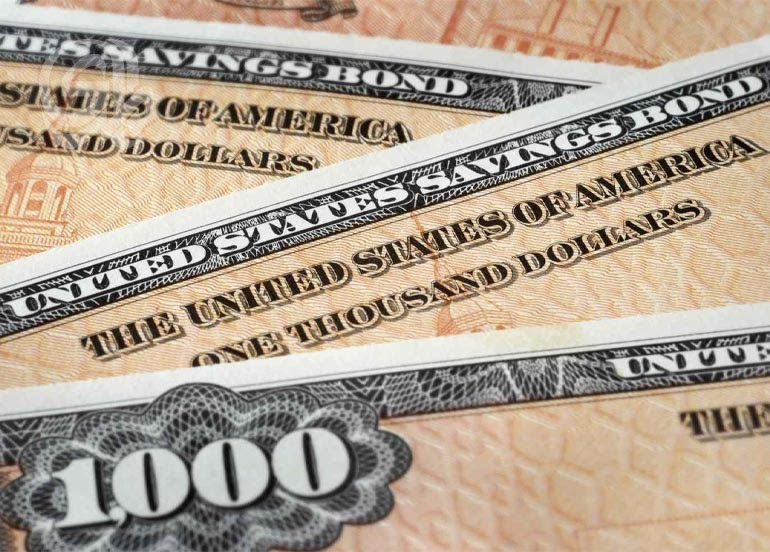
At a time when global markets are witnessing escalating debate about the future of US Treasury bonds and the dollar's role in the international financial system, Baghdad increased its holdings of these bonds to approximately $40.8 billion by the end of December 2025, an increase of $1.1 billion in a single month, representing a growth rate of 74% compared to January of the same year.
According to data from the US Treasury Department, "Iraq's holdings of US Treasury bonds for December 2025 increased by $1.1 billion, reaching $40.8 billion, up from $39.7 billion in the preceding month." The data also showed that these holdings increased by 74% compared to January 2025, when they stood at $23.4 billion.
Treasury bonds: Between historical confidence and modern turmoil
. For decades, US Treasury bonds have been considered the cornerstone of the global financial system, the safe haven for investors in times
of crisis, the gold standard for sovereign debt, and the foundation of the global capital market – a status rooted in the Bretton Woods Agreement of 1944.
However, the period between 2024 and 2025 witnessed a decline in unconditional confidence in this financial instrument, with yields on 10-year US Treasury bonds rising to more than 5.2%, their highest levels since 2007, amid an annual budget deficit exceeding $1.8 trillion, debt service costs exceeding $514 billion annually, along with growing US political division and a decline in some investors' confidence in the long-term ability to manage the debt.
In this context, Mazhar Muhammad Salih, the Prime Minister's Advisor for Economic and Financial Affairs, stated that "Iraq's foreign exchange reserves portfolio, denominated in US dollars and other foreign currencies, constitutes a specialized national sovereign wealth fund directly linked to monetary policy objectives aimed at maintaining the stability of the monetary system and preserving the external value of the Iraqi dinar, particularly exchange rate stability."
Speaking to Al-Mada, Salih explained that "Iraq's increased holdings of US Treasury bonds are structurally linked to its location within the 'dollar zone,' given that the primary source of foreign currency is oil revenues (petrodollars). Therefore, allocating a portion of the dollar reserves to US sovereign debt instruments is a natural practice consistent with international reserve management principles."
He explained that “diversifying the dollar portfolio through investment in US Treasury bonds represents a low-risk option, given their high liquidity, high sovereign credit rating, and the strength of the US economy.” He pointed out that “Iraq’s direct and indirect ties to global financial markets, particularly the US market, make this investment part of a strategy for managing reserves efficiently and safely.”
He added that public data indicates that “approximately 30% of US Treasury bonds traded in the markets are owned by foreign entities, compared to about 70% owned by institutions and investors within the United States, such as the Federal Reserve, pension funds, banks, and domestic investors.”
According to data from the US Treasury Department as of the end of 2025, the largest holders of US Treasury bonds are Japan with approximately $1.2 trillion, followed by the United Kingdom with approximately $888.5 billion, then the People's Republic of China with approximately $682.6 billion, and Luxembourg with approximately $423 billion, in addition to other countries.
Saleh emphasized that "investing Iraq's official reserves in US Treasury bonds falls under the prudent management of sovereign dollar wealth and is part of a stable and balanced foreign monetary policy whose primary goal is to enhance confidence in the national economy and protect the country's financial stability."
For his part, economist Haider al-Kafishi believes that "investing approximately $30 billion in US Treasury bonds is a safe option with financial benefits, but it could expose the country to political pressure."
Al-Kafishi told Al-Mada that “Iraq is resorting to this type of investment due to the high level of spending on reconstruction, as well as its efforts to diversify its foreign reserves and avoid potential political and social upheavals.” He explained that “Iraq has divided its investments between long-term investments, estimated at around $28 billion, and short-term investments, amounting to $12 billion.”
He pointed out that “short-term investments contribute to generating financial returns and supporting the stability of the dinar's exchange rate, in addition to the ease of converting them into cash when needed.”
He noted that “there are paradoxes in investing in US Treasury bonds for a country like Iraq, especially since their interest rates are subject to the policies of the US Federal Reserve, which may affect returns and cast a shadow on investors.” He indicated
that “Iraq may be exposed to political pressure as a result of this type of investment,” pointing out that “the sum of $40 or $41 billion, despite its importance, is not considered large compared to the size of the US economy, at a time when the government is striving to attract foreign investors to invest within the country.”
He concluded by saying that “there are investment opportunities within Iraq that can generate higher financial returns than those offered by US Treasury bonds, which are considered low-yielding compared to some local sectors.”
The 2024-2025 crisis reveals deeper shifts in the structure of the global financial system, where US Treasury bonds are no longer immune to geopolitical and financial fluctuations. With some major central banks moving to reduce their holdings, a serious debate has emerged about the future of the dollar as the dominant reserve currency.
Nevertheless, from a monetary policy perspective, Iraqi investment in US bonds remains part of a defensive strategy aimed at protecting reserves and ensuring exchange rate stability, rather than a pursuit of high returns.
Cooperation conditions and potential sanctions: Baghdad returns to Washington's priorities
The United States has strongly entered the political crisis in Iraq, after explicitly linking the future of bilateral cooperation to the arms issue and the formation of the next government, in a move that indicates Washington's shift to a position of direct influence in shaping the power equation, according to the "Eram News " website.
The website stated in a report seen by Al-Sa’a Network, quoting its sources, that “what is happening in Iraq cannot be described as passing pressure or a traditional diplomatic stance, but rather it is part of an American decision to rearrange the political landscape after years of managing the crisis remotely .”
He added that "the United States, which established the political system after 2003 and sponsored its basic paths, sees today that the equation of internal balance has been disrupted in favor of a specific regional influence, so it is trying to reset the rules of the game, whether through financial tools or by linking the form of the next government to determinants related to sovereignty and weapons ."
He pointed out that "the Iraqi file has returned to the White House's priorities in light of regional tensions, US-Iranian negotiations, and the fear that Iraq will become a complete base for one axis, which Washington does not consider a strategically acceptable option ."
The report indicated that "the renewed American interest in Iraq is inseparable from a broader equation related to managing Iranian influence in the region, but Washington realizes that any direct confrontational approach could threaten internal stability ."
He pointed out that "the US administration is trying to achieve a delicate balance; it is not seeking to ignite the situation in Iraq, but it wants a government capable of controlling weapons outside the framework of the state and reducing the influence of factions on sovereign decision-making, because the continuation of this reality weakens the strategic partnership and complicates the energy, investment and security files ."
He explained that "the pressure will not be military, but will take the form of political messages and perhaps financial measures or specific sanctions, while keeping the door open for understanding with any government that provides practical assurances regarding the restriction of weapons and regulating the relationship with Iran ."
Despite the clear American influence in shaping the equations of governance in Iraq during the past years, the last few months have witnessed a broader and more diverse involvement, not limited to the issue of weapons or the formation of the government, but extending to sensitive economic and financial files, including mechanisms for dollar transfers, regulating the banking sector, and controlling the movement of funds related to foreign trade .
Among them is "withdrawing his candidacy"... The options for the coordination framework regarding Maliki have been revealed

Informed sources confirmed on Saturday that the forces of the Coordination Framework are planning to hold an expanded meeting to end the political deadlock by deciding on Nouri al-Maliki’s nomination for the premiership, either by keeping him or replacing him.
Sources told Shafaq News Agency that "the coordination framework, which brings together the Shiite political forces, is moving towards holding a meeting to end the political deadlock and agree on a unified position regarding the prime minister candidate."
He adds that "the current approach is to choose a figure who suits the circumstances surrounding the country and the economic and security challenges, provided that a date is set for the parliament session to elect the president of the republic, who in turn will task the framework candidate with forming the government."
He pointed out that "the meeting will address the issue of the continued nomination of the head of the State of Law Coalition, Nouri al-Maliki, or his personal withdrawal, or the framework will decide to officially withdraw his nomination and look for an alternative."
The “coordination framework,” which includes ruling Shiite political forces in Iraq, is witnessing a division over the nomination of Maliki for the next government, amid American warnings of the repercussions of his selection, which prompted forces within the coalition to try to persuade him to withdraw in order to preserve the unity of the framework.
In contrast, Maliki has declared on more than one occasion his adherence to his candidacy and believes that withdrawing from it should be done by an official decision from the framework.
The escalating American pressure on Iraq comes as a translation of President Donald Trump’s explicit threats, which included criticism of the previous course taken by Maliki when he assumed the premiership for 8 years.
On January 24, 2026, the Coordination Framework announced the nomination of Nouri al-Maliki, head of the State of Law Coalition, for the position of Prime Minister, with a majority vote from its constituent groups.
Iraq bloc may drop Maliki from PM nomination after US threats
Iraq’s ruling bloc has moved to drop Nouri al-Maliki as PM candidate after US warns of sanctions and possible review of ties.
Iraq’s ruling Coordination Framework coalition is moving towards abandoning Nouri al-Maliki’s bid for prime minister following US pressure and internal divisions, according to senior political sources.
The shift comes after what Iraq’s Foreign Ministry described on Thursday as "verbal" US messages rejecting Maliki’s nomination and warning of possible sanctions targeting Iraqi individuals and institutions, as well as a potential reassessment of relations with Baghdad.
The ministry issued the statement to clarify remarks made by Foreign Minister Fuad Hussein to a local television channel.
Senior sources within the Coordination Framework told The New Arab's sister outlet Al-Araby Al-Jadeed that "movement has already begun over the past two days to abandon Maliki by reconsidering the decision and creating new conditions to discuss the post".
The sources said Maliki had indicated he would only withdraw if two-thirds of the alliance agreed to remove him, stating that "Maliki has confirmed he is prepared to step aside if two-thirds of the Framework alliance agree to remove him".
The nomination, approved by an internal majority vote within the pro-Iran alliance, has caused divisions among its leadership. Parties within the bloc are now seeking what sources described as a new formula to reverse the decision.
Political sources from the alliance told Al-Araby Al-Jadeed that "the number of political forces rejecting Maliki has increased over the past two days, with some rallying around the issue of Iraq’s supreme national interest following the US threats".
They added that "leaders of the Coordination Framework are seriously considering removing Maliki from the race for prime minister, but in a polite manner that does not anger the Islamic Dawa Party or push it to withdraw from political life or refuse to participate in the next government".
According to the same sources, a shortlist of four alternative names is under discussion. Among them is National Intelligence Service chief Hamid al-Shatri, described as the frontrunner due to his relations across the political spectrum and cooperation with international intelligence agencies, "especially the United States".
The sources also said current Prime Minister Mohammed Shia al-Sudani is seeking another term, but that most forces do not support him. Basra Governor Asaad al-Eidani is also reportedly being considered.
They indicated that Ammar al-Hakim, Qais al-Khazali, Haider al-Abadi, and increasingly Hadi al-Amiri, along with Hammam Hamoudi, are leaning toward withdrawing Maliki’s nomination to avoid internal disputes and possible US sanctions.
However, officials from Maliki’s State of Law Coalition rejected reports of a retreat.
Hisham al-Rikabi, director of the coalition’s office, said reports of withdrawing Maliki’s candidacy were "claims and a malicious media campaign aimed at confusing public opinion". He said the Coordination Framework "remains committed to its declared political positions and to its candidate for the next phase".
Hussein al-Sadiq, a member of the coalition, said "the current media pressure aimed at isolating Maliki or pushing him to withdraw will not succeed", stressing that the nomination was a decision of the Coordination Framework, which he described as the largest parliamentary bloc.
He added that discussion of withdrawal would only take place if agreed within the alliance, saying it was illogical for Iraq to "submit to tweets and social media posts, whether from US President Donald Trump or anyone else".
Last month, Trump wrote on his Truth Social platform: "The last time Maliki was in power, the country sank into poverty and massive chaos. That must not happen again… Because of his policies and crazy ideologies, if he is elected, the United States will not provide any future assistance to Iraq."
Political analyst Talal al-Jubouri told Al-Araby Al-Jadeed that the Coordination Framework is "in a bind and embarrassed" over Maliki’s nomination. He said some factions are seriously considering sidelining him to prevent further US intervention in Iraqi affairs.
Al-Jubouri warned that maintaining Maliki’s candidacy could place the Shia alliance in "an open and direct confrontation" with the US administration, particularly amid US demands regarding Iraqi armed factions and ties with Iran.
Want to Support My FX Buddies?
.png)
Support My FX Buddies Big or Small I appreciate it all
BuyMeACoffee CashApp:$tishwash
https://paypal.me/tishwash

.jpeg)
The Sudanese coalition pulls the rug out from under Maliki... Internal and external rejection confronts his ambition for a third term

In a notable development, Bahaa al-Araji, head of the Reconstruction and Development bloc in the Iraqi Parliament, announced the need to reassess Nouri al-Maliki's nomination for prime minister.
In a tweet on his official Twitter account, which was received by Iraq Observer, al-Araji stated that “Sudani’s aim in supporting al-Maliki’s nomination was to push for an end to the political deadlock and to move towards resolving outstanding issues, fulfilling his promise to his constituents and acting as part of the solution, not a party to the crisis, in an effort to form a capable government with full powers.”
He added, “However, this path is now facing rejection from key parties within the coordination framework, political forces within the national sphere, and regional and international objections. This necessitates a reassessment of the tools and mechanisms that guarantee the achievement of the desired goal, free from biases and personal interests.”

Those loyal to the rule of law presented an official document signed by the leaders of the framework proving al-Maliki's nomination.

Hussein Al-Shehani, a member of the political bureau of the Sadiqun Movement (the political wing of Asa'ib Ahl al-Haq), renewed his challenge to the State of Law Coalition, demanding that they provide an official document bearing the signatures of the coalition's leaders proving the nomination of Nouri al-Maliki for the premiership.
Al-Shihani said in his statements: “I renew the challenge to the State of Law coalition to present an official document bearing the signatures of the leaders of the Coordination Framework proving the nomination of Nouri Kamel al-Maliki,” stressing that press statements are not sufficient as legal evidence, and that the legal rule requires the claimant to present his official evidence.
He added that the other party’s demand to prove the absence of the document lacks logic, stressing that the correct constitutional procedure requires the issuance of an official letter bearing the names and signatures of the representatives of the largest bloc, which is submitted to the President of the Republic to nominate the Prime Minister in accordance with Article 76/First of the Iraqi Constitution.
The US Embassy in Baghdad: Iran will not continue to destabilize the region.
"Trump was clear."

The US Embassy in Baghdad posted two photos of President Donald Trump on Saturday, in Arabic and English, with a comment on President Trump’s remarks, saying, “President Trump was clear in his assertion that the Iranian regime cannot continue to destabilize the entire region.”
A blog post from the US Embassy on Saturday (February 21, 2026),


A potential agreement between Washington and Tehran without transferring uranium out of Iran.

An informed diplomatic source revealed on Saturday (February 21, 2026) the course of the ongoing negotiations between Iran and the United States, stating that any potential agreement between the two sides will include a mechanism to reduce the level of enrichment of uranium stockpiles, while emphasizing that nuclear materials will not be transferred outside Iranian territory.
The Iranian Students' News Agency (ISNA) quoted the diplomat as saying that "the issue of establishing a nuclear consortium is not currently on the negotiating agenda," noting that the talks are focused on technical and practical issues related to enrichment.
The source explained that "the rounds of negotiations held in Geneva witnessed a retreat from the demand for (zero enrichment), as the American side agreed to discuss the technical details instead of the complete cancellation of enrichment operations, including determining the locations of nuclear facilities, the levels of enrichment allowed, and the number of operating centrifuges."
In a related context, the diplomat stressed that “Tehran maintained a clear position during the talks that stipulates that no nuclear materials should be taken out of the country,” adding that this position was conveyed to Russia, which expressed its understanding of the Iranian point of view.
These statements reflect a trend towards technical compromises instead of maximalist demands, which may pave the way for gradual understandings that reduce tensions related to the nuclear issue, provided that the political will exists among all parties.
The Ministry of Interior thanks the Islamic Republic of Iran after the release of Iraqi hostages in Iran.
The Ministry of Interior announced on Saturday the release of two kidnapped Iraqis in Iran and the arrest of the kidnappers.
The ministry said in a statement that "after exceptional efforts and diligent follow-up, and in coordination and joint cooperation with the police leadership in the Islamic Republic of Iran, two Iraqi citizens from the city of Samawah, who had been kidnapped inside Iranian territory, were freed."
She continued, “As soon as the information was received, the Ministry of Interior, through its official channels, began direct communication with the competent authorities on the Iranian side, where the Iranian police leadership showed high cooperation and a rapid response, and made intensive efforts that resulted in determining the location of the two abductees and freeing them in a qualitative operation, as well as arresting those involved in the kidnapping crime to take legal measures against them in accordance with the applicable laws.”
The Interior Ministry affirmed that "this achievement reflects the level of security coordination and bilateral cooperation between the two countries in confronting organized crime and protecting citizens, wherever they may be."
The ministry expressed its "deepest thanks and appreciation to the police leadership in the Islamic Republic of Iran for the high level of professionalism and exceptional efforts they demonstrated, which contributed to the success of the liberation operation and the safe return of the citizens."
It renewed its commitment "to follow up on the issues of citizens inside and outside the country, and not to tolerate any attack that affects their security and safety, and to work in coordination with sister and friendly parties to ensure their protection and preserve their rights."
Former US official: The attack on Iran must be overwhelming and devastating.
link from Iran's news

Robert Wicky, a former U.S. Assistant Secretary of Defense, said in an interview with Newsmax: "If an attack is to be carried out — and I believe it should be carried out because this regime cannot be negotiated with — then it should be an overwhelming and devastating attack."
Wiki added that a limited attack would leave Iran with the ability to launch a barrage of missiles toward Israel, as well as target American bases spread throughout the region.
The former US official considered the US Air Force and warships stationed in the region to be key instruments of power in Washington's hands to achieve its strategic goals.
Farhad Atroushi: There are malicious intentions in Baghdad against the Kurdistan Region.
The Shiite parties are seeking to seize control of parliament and monopolize the sovereign committees for themselves.

In revealing details of the ongoing conflicts within the Iraqi Parliament, Farhad Atrushi confirmed that a state of utter chaos prevails in the halls of parliament, indicating that Shia forces are attempting to monopolize key parliamentary committees. Atrushi explained that, given the current policies pursued by the Patriotic Union of Kurdistan (PUK), it has become unlikely that the Kurds will agree on a single candidate for the presidency in Baghdad. He also emphasized that Nouri al-Maliki categorically refuses to withdraw his candidacy for the premiership.
On Saturday, February 21, 2026, Farhad Atroushi, the second deputy speaker of the Iraqi parliament, reviewed the political and economic situation in Iraq and the complex nature of relations between Erbil and Baghdad during his participation in the "Pasi Roj" (Today's Event) program on Kurdistan 24, presented by journalist Zhino Mohammed, revealing sensitive information related to efforts aimed at weakening the Kurdistan Region.
Secret plan to control border crossings
Atroushi revealed that parties within the "coordination framework" - who present themselves as allies of the National Union - had sent a secret letter to the Cabinet without his knowledge.
Atroushi stated, "The document included demands to strip all border crossings in the Kurdistan Region of their legal and legitimate status, retaining only the Ibrahim Khalil crossing. A copy of the document was sent only to the Speaker of Parliament, but we exerted intense pressure and succeeded in rejecting and thwarting this proposal." He emphasized that these actions reflect malicious intentions aimed at curtailing and weakening the constitutional entity of the Kurdistan Region.
The economic situation and Sudanese confessions
Regarding the financial situation, the Deputy Speaker of Parliament revealed the content of a conversation he had with the Iraqi Prime Minister, saying, "Mohammed Shia al-Sudani frankly informed me that Iraq's economic situation is dire and that available revenues are meager." Atroushi warned that this deterioration threatens the payment of salaries and financial entitlements, especially given the negative sentiments in Baghdad towards the Kurdistan Region.
The position of Chief of Staff of the Army and the legal challenge
Regarding the passage of the appointment of the Iraqi army chief of staff in parliament, Atroushi strongly criticized the voting mechanism, describing it as "illegal".
He explained, "Parliament Speaker Hebat al-Halbousi had previously informed me that this issue would not be included on the agenda, but he did the exact opposite. We in the Kurdistan Democratic Party do not accept this transgression and will file a lawsuit with the Federal Court because this position is the right of the Kurdish component, and we will not compromise on it." He also expressed his regret that the Kurdish forces in Baghdad were unable to adopt a unified stance or issue a joint statement regarding this violation.
Shiite efforts to dominate parliamentary committees
Atroushi touched on another danger threatening parliamentary work, which relates to the distribution of standing committees, saying: “The Shiite forces are seeking to ensure the representation of 11 members out of 19 in every important committee under the pretext of numerical majority, and they are planning to take over the chairmanship of the ten sovereign and important committees completely.”
He added, "I warned the Speaker of Parliament that if this plan succeeds, Parliament's role will effectively end, and all power will be concentrated in the hands of the Shia bloc." He noted that the Kurds have requested the chairmanship of the Legal Committee and are expected to obtain it.
The presidential file and the Kurdish division
In discussing the position of President of the Republic, Atroushi criticized the political approach of the Patriotic Union of Kurdistan, stressing that it makes it very difficult to go to Baghdad with a unified Kurdish candidate.
He said, "We made strenuous efforts to form a joint delegation or a unified Kurdish front in Baghdad to speak with one voice, but unfortunately, we received no response from the other parties, who transferred the region's internal disputes to the capital." He added that, as a result of this Kurdish disunity, Shiite forces are now directly interfering in determining the presidential candidate.
Maliki's future and the premiership
Regarding the position of Prime Minister and Nouri al-Maliki’s ambitions, Atroushi explained that the latter is determined to run and refuses to withdraw, saying: “Al-Maliki believes that his retreat at this stage means his political end and the end of the Dawa Party, so he is waiting for the final decision from the Coordination Framework.”
Atroushi noted that some Shiite forces were beginning to hesitate in supporting Maliki due to American pressure. Regarding President Barzani's position, Atroushi affirmed that "President Barzani refused to interfere in the matter of the Shiite candidate, considering it an internal affair concerning the Shiite community alone."
President Barzani receives a high-level delegation from the Iraqi Dawa Party

President Masoud Barzani received a high-level delegation from the Iraqi Islamic Dawa Party in Pirmam on Saturday, February 21, 2026.
During the meeting, views were exchanged on the political situation in Iraq and the latest developments in the region. Emphasis was also placed on strengthening relations and coordination between the parties in order to overcome obstacles and challenges.


Al-Sudani discusses with Talabani the latest developments in Iraq and the region

- Prime Minister Mohammed Shia Al-Sudani discussed on Saturday with the head of the Patriotic Union of Kurdistan party, Bafel Talabani, the latest developments in Iraq and the region.
The Iraqi Prime Minister’s Media Office said in a statement seen by (Shafaqna Iraq) that “the meeting discussed the latest developments in Iraq and the region, where the importance of strengthening efforts and working with a unified vision was emphasized, and the reform process continued, and securing the needs and requirements of all the people of Iraq was emphasized.”
The meeting also addressed “the need to emphasize cooperation and coordination among national political forces, and to unify visions and positions, based on the principle of partnership and responsibility to resolve the remaining constitutional

No comments:
Post a Comment