Benefits, concerns, and security reasons
The dinar must be changed! We won't remove zeros, but the current currency will not last.
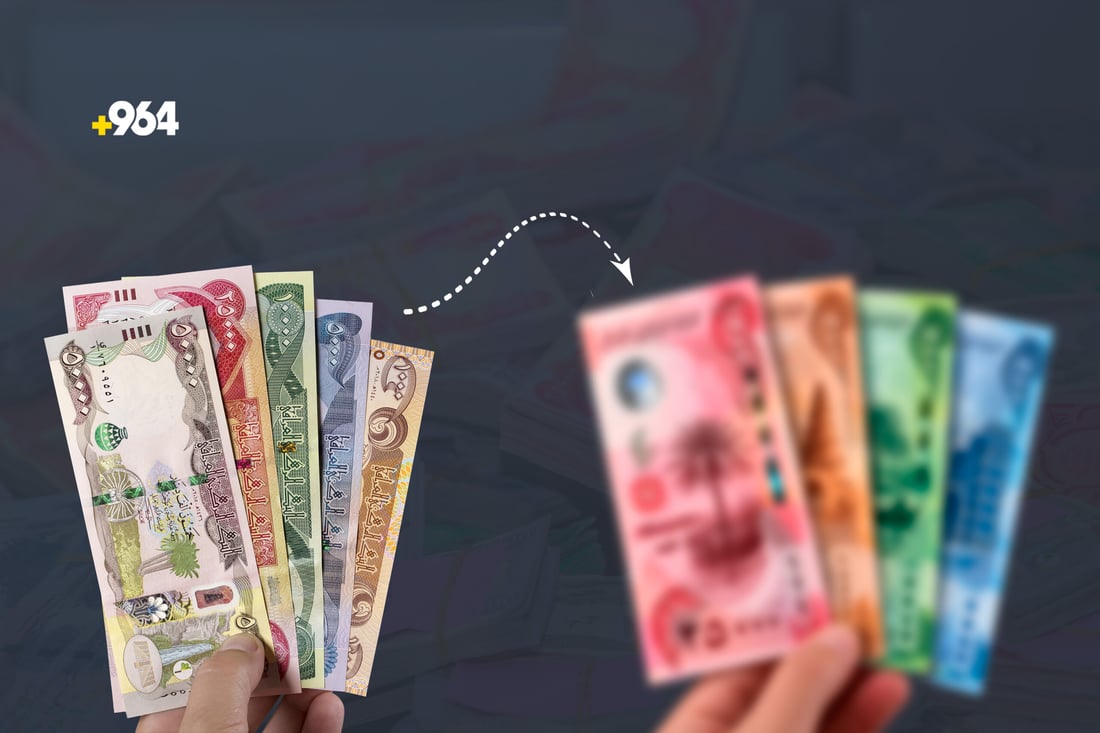
Following banking warnings that money hoarded in homes and outside banks is disrupting the liquidity cycle and weakening the banking system, an idea is emerging within the Central Bank and among members of the parliamentary finance committee to change the currency and launch a new series, instead of removing zeros, in a process aimed at withdrawing counterfeit, worn-out, and stolen currency, and returning part of the funds to the banking system, through a mechanism being discussed to link the exchange of large sums to opening accounts and proving the sources of funds.
The video for this My FX Buddies Special Edition is below here:
A member of the parliamentary finance committee told 964 Network that “the ongoing discussions regarding the future of the Iraqi currency are currently focused on adding new denominations and making broader changes to the currency in circulation. The option of removing zeros has been ruled out at this stage. There is a trend that believes issuing a new series of currency can achieve greater goals, including updating security features, eliminating counterfeit currency, withdrawing worn-out banknotes, addressing some of the stolen currency or funds moving outside the financial system, in addition to reorganizing the circulating money supply.”
The MP, who asked to remain anonymous, added that “one of the most important ideas under discussion relates to the method of replacing the old currency. There are proposals to facilitate the replacement of ordinary amounts, while subjecting large amounts to different banking procedures, which may include opening a bank account, depositing the amount into it, and applying customer knowledge and verification requirements for the source of funds, instead of handing over the same amount in cash from the new issue. These details, including determining the size of the amount subject to these procedures, are still under discussion and have not been finalized, as they currently revolve around 100-150 million.”
He added that “the success of any project of this kind requires a sufficient transition period, ensuring that markets are not disrupted, and putting in place easy mechanisms for citizens and owners of natural savings, as well as the readiness of banks to receive deposits and deal with the expected large demand, because the goal in the end is not just to replace one piece of paper with another, but to take advantage of the currency change to rearrange a part of the monetary cycle and enhance confidence in the banking system and the ability to monitor the movement of funds.”
100 trillion outside the banks
The importance of changing the currency is highlighted by the fact that there are more than 100 trillion dinars outside the banks, distributed between daily transactions and the funds hoarded by citizens and companies, which indicates – according to experts – the weakness of cash entering the banking system, and makes the exchange process an opportunity to return part of these funds to the accounts, especially if changing large amounts is linked to proving their sources.
Recently, Ali Abdul-Ridha Alwan, director of the Trade Bank of Iraq (TBI), warned that keeping more than 85% of the money supply outside the banking system disrupts the liquidity cycle. He explained that citizens keeping money at home deprives banks of the liquidity they need to perform their role in economic activity and creates a disruption in the chain that begins with the injection of money through financial institutions and ends with spending and paying salaries.
What are the gains from the process?
A member of the Finance Committee says that “the initial estimates circulating regarding the results of the currency change indicate the possibility of recovering the equivalent of 20-25 trillion dinars of the cash mass that is not currently moving normally within the financial system, whether due to worn-out or counterfeit currency or hoarded funds, which would allow for the reorganization of an important part of the monetary cycle.”
He added that “estimates also assume that the replacement process will push large numbers of citizens to deal with banks and open accounts, and there are perceptions that about 25% of money owners who enter the banking system for the purpose of changing the currency may leave all or part of their money in their accounts instead of withdrawing it again in cash, which means increasing deposits, enhancing liquidity within banks, and returning part of the hoarded money to the banking cycle.”
 Thanks
Support My FX Buddies
BuyMeACoffee CashApp:$tishwash
https://paypal.me/tishwash

.jpeg)


No comments:
Post a Comment