
The video for this My FX Buddies Update is below here:
The fourth edition of the Banking Ready 2026 program has started, and with it a new journey of learning, development, and acquiring skills in the world of the banking sector has begun.The Banking Ready program is the first banking training program of its kind in Iraq. It is free and fully sponsored by the National Bank of Iraq.This program is presented in cooperation with the Center of Excellence for Innovation and Development and the American University of Iraq – Baghdad, with the goal of empowering youth and supporting them in building a bright professional future.A new journey, greater goals and hope, and a future that begins from here.#National_Bank_of_Iraq #American_University_of_Baghdad #BankingReady #Iraq #Best_Bank_in_Iraq
Grok info
- It is described as the first free banking training program of its kind in Iraq.
- Fully funded by the National Bank of Iraq.
- Aimed mainly at young people and recent graduates, to give them practical banking knowledge and skills so they are “banking ready” for jobs in the sector.
- Run in cooperation with the Center of Excellence for Innovation and Development at the American University of Iraq – Baghdad (AUIB).
- The 4th edition (Banking Ready 2026) was recently launched / promoted (announcements around early September 2026 and earlier in the year).
- Many previous participants have gone on to work at the National Bank of Iraq itself.
85% of the mass is outside banks
TBI Director: Cash held in homes disrupts the liquidity cycle and halts salary payments

The director of the Trade Bank of Iraq (TBI), Ali Abdul-Ridha Alwan, announced on Wednesday (September 2, 2026) that 85% of the Iraqi cash supply is outside the banking system and in people's homes, indicating that this breaks the cycle of financial liquidity and affects the provision of salaries. He added that banks need the money to return to the system in order to be able to perform their role in the economic process. He also touched on financial transactions between Iraq and Iran, saying that they are subject to governmental procedures in which several parties participate, but the bank will always be a supporting link in this matter, as he put it.
Alwan said, during a dialogue session with a number of media professionals, which was followed by Network 964 , regarding financial transactions with Iran in light of the imposed sanctions, that “the file of sanctions and economic pressures on Iran and trade between Iraq and Iran includes many details, and is managed by several government agencies, including financial agencies, the Ministry of Foreign Affairs, the Central Bank of Iraq and the Iraqi Trade Bank,” stressing that “the bank will always be a supporting link in this file.”
He added that “the bank is working to clarify the nature of the procedures for international banks,” explaining that “these procedures are very necessary for the banking system, and do not target the customer, but rather aim to implement international standards.”
He pointed out that “some international banks have conducted tests and surveys of Iraqi banks in recent years, with the aim of verifying their compliance with the required standards,” explaining that “the results showed a need for more work to develop the level of compliance with international banking standards.”
Alwan stressed that “adherence to legal instructions, Central Bank instructions, and financial and regulatory controls aims to preserve public funds,” explaining that “the bank seeks to achieve a balance between supporting the private sector and the government and protecting the bank’s funds and its customers.”
He explained that “the bank is working to recover outstanding debts through legal and available means,” stressing that “this represents protection for public funds, the bank’s customers and merchants, as well as preserving the reputation of the merchants and the bank.”
Alwan ruled out the possibility that the media was the reason for imposing sanctions on Iraqi banks, stressing that “American authorities rely on multiple sources when making their decisions.”
He explained that “when the US government imposes sanctions on banks, entities, or individuals, it does not rely solely on media reports, but has its own sources, including intelligence sources, while using media information to verify certain data.”
He added that “the role of the media has not been negative, but has always been positive,” noting that “the bank has received complaints about the banking sector, but a large percentage of them cannot be considered true without verifying them.”
Regarding the challenges facing the banking sector, Alwan pointed out that “the Iraqi banking sector faces a challenge represented by the weakness of citizens’ confidence, due to the accumulation of political and economic crises that Iraq has witnessed during the past decades.”
He explained that “more than 85 percent of the money supply is outside the banking system, and this is a very big problem, because banks need the money to return to the banking system in order to be able to play their role in the economic process.”
He explained that “money outside of banks, including money kept by citizens at home, affects the liquidity cycle,” clarifying that “the economic process depends on an interconnected chain that begins with the injection of liquidity through financial institutions and extends to the payment of salaries and spending, and any disruption in one of the links of this chain may lead to the cessation or disruption of the process.”
Regarding the bank’s development plans, Alwan revealed that “the bank has a roadmap for development,” indicating that “the management has a clear vision of the strengths and weaknesses within the institution, and that the results of the development plan will begin to appear during the next three months and until the end of the year.”
He explained that “the bank is currently working on developing new products and services that are appropriate for the size of the Iraqi market,” noting that “the market’s needs are currently focused on remittances, cards, advances and loans.”
He added that “the bank is working on developing its Internet Banking service,” noting that “its use is still limited and in its early stages compared to the level of digital banking transactions in neighboring countries and the region, which requires more work to develop products and services.”
He pointed out that “introducing any new banking product requires providing a suitable infrastructure,” explaining that “part of this infrastructure relates to the bank itself, while the other part is related to external parties.”
Al-Alwan stressed “the existence of some limitations that the bank’s management is working to overcome,” explaining that “purchasing any new program or system requires adherence to government frameworks and procedures, which sometimes limits the flexibility required to develop banking operations.”
Due to "serious violations," the Central Bank places Al-Taif Islamic Bank under receivership.
For 18 months
link

The Central Bank of Iraq decided today, Wednesday (September 2, 2026), to place Al-Taif Islamic Bank for Investment and Finance under guardianship, due to the proven existence of serious violations that affected the bank’s financial position and the depositors’ funds.
According to a document issued by the Banking Supervision Department at the Central Bank, obtained by "Baghdad Today," the Central Bank issued a decision based on the Bank's Board of Directors Resolution No. (130) of 2026 imposing guardianship on Al-Taif Islamic Bank for Investment and Finance, based on the provisions of Article (59) of the Banking Law No. (94) of 2004, as amended.
The document, signed by the acting governor, Nizar Nasser Hussein, explained that "it was decided to appoint Mr. (Imad Muhammad Hamad) as the guardian of the bank for a period of (18) months."

Following the decision to place Al-Taif Bank under "guardianship," a financial expert confronts depositors with the reality of their money!
A financial expert explained that the decision to place the bank under receivership does not necessarily mean its bankruptcy, stressing that receivership in its legal sense is related to mismanagement, and aims to address the administrative and financial imbalance within the bank.
Mahmoud Dagher told Al- Jarida that the trusteeship means the Central Bank removing the bank's management and appointing a trustee to manage it instead, with the aim of addressing the existing problems, foremost among them the liquidity crisis, and working to liquidate the assets owned by the bank if they are liquidable.
He explained that the depositors' funds are a separate issue from the guardianship decision, indicating that the guardian's task includes managing the bank and seeking to provide the necessary liquidity to repay the deposits, according to what the liquid assets allow.
He added that the problem the bank is suffering from is a lack of liquidity, which prompted the intervention of the Central Bank, the removal of the previous management, and the appointment of a trustee to manage the bank and work on addressing its financial situation.
This clarification comes amid depositors' concerns and questions about the fate of their funds following the recent trusteeship decision, especially given the decision's connection to liquidity management and the bank's ability to meet its obligations to depositors.
An economist says the 2027 budget may become just ink on paper.

The economic expert Abdul Rahman al-Mashhadani asserted on Wednesday
that the government will be unable to finalize and implement the 2027 budget given the ongoing regional tensions, the US aggression against the Islamic Republic of Iran, and the resulting maritime tensions in the Strait of Hormuz. He explained that the plans and programs developed by the Ministry of Finance will become mere "ink on paper" without sufficient financial resources.
Al-Mashhadani told the Information Agency that "the government has set an estimated price of $60 to $70 per barrel for next year, a figure that is difficult to rely on given the war and low export rates, in addition to the fact that oil is being sold at the port."
He added that "the initial estimates for the total budget amount to 150 trillion dinars, of which 135 trillion will go to the operational budget (salaries and daily expenses), and a meager 15 trillion dinars to the investment budget, thus deepening the financial deficit to dangerous levels."
Al-Mashhadani explained that "these challenges and others will be the primary obstacle to finalizing the 2027 budget." He also pointed out that "the crisis coincides with a frightening decline in the reserves of the Central Bank of Iraq as a result of its continued sale of foreign currency to the private sector to finance imports, without any corresponding compensatory dollar inflows." He revealed that "what has recently reached the Central Bank has not exceeded one billion dollars."
The Minister of Transport discusses with the World Bank and the Asian Bank support for strategic projects and the development path

Minister of Transport Wahab al-Hassani met on Tuesday with representatives from the World Bank and the Asian Infrastructure Investment Bank (AIIB) to discuss support for strategic projects and the requirements of the Development Road Project.
A statement from the Ministry of Transport, received by the Iraqi News Agency (INA), indicated that "Minister of Transport Wahab al-Hassani received delegations from the World Bank and the AIIB at the ministry headquarters in two separate meetings, a step that underscores the ministry's commitment to strengthening cooperation with international financial institutions and supporting its strategic projects."
The statement continued, "The minister discussed with the two bank delegations opportunities to finance and develop a number of transport projects, particularly in the railway, port, airport, and road sectors, which would contribute to accelerating the implementation of priority projects, enhancing the readiness of the Iraqi transport system, and supporting the requirements of the Development Road Project."
According to the statement, the minister expressed his welcome to the delegations and the ministry's keenness to develop partnership and cooperation, emphasizing the importance of securing suitable funding sources to advance priority projects. Representatives of the two banks expressed their readiness to explore financing opportunities for the ministry's projects in accordance with established procedures and studies.
During his meeting with the Minister of Finance, the Asian Development Bank affirmed its readiness to support and finance priority projects in Iraq.

Finance Minister Faleh Sari emphasized to a delegation from the Asian Infrastructure Investment Bank (AIIB) on Wednesday the importance of strengthening cooperation with international financial institutions and benefiting from their expertise. The delegation
, in turn, indicated its readiness to support and finance priority projects in Iraq. The Ministry of Finance stated in a press release received by the Iraqi News Agency (INA) that "Finance Minister Faleh Sari discussed on Wednesday with a delegation from the Asian Infrastructure Investment Bank, headed by Konstantin Lemitovsky, prospects for cooperation in financing infrastructure projects and supporting development priorities in Iraq. The meeting was also attended by the Undersecretary of the Ministry and the Directors General of the Iraqi Fund for External Development and the Public Debt Department." The statement added that "the head of the delegation reviewed the nature of the bank's work and the projects it contributes to financing in the region and globally in the transport, energy, water, and digital infrastructure sectors."
According to the statement, the Minister stressed "the importance of strengthening cooperation with international financial institutions and benefiting from their expertise and capabilities in supporting the development process and infrastructure development in Iraq." He emphasized that "proposed projects for financing are subject to careful study to ensure the selection of the best options for Iraq in terms of economic feasibility, financing efficiency, and cost, in a way that achieves the national interest, meets development priorities, and maintains the soundness of the state's financial position."
For its part, the Asian Development Bank delegation affirmed its readiness to support and finance priority projects in Iraq, particularly strategic infrastructure projects, foremost among them the Development Road project, in order to contribute to enhancing the country’s economic development.
With the participation of local and foreign investors, Erbil will host an international economic forum this month.

The Erbil Chamber of Commerce and Industry announced on Tuesday its readiness to host an international economic forum with the participation of traders and investors from Iraq, Turkey, and Azerbaijan. The Chamber indicated that the forum aims to strengthen trade and economic relations among the three countries.
Ibrahim Agha Gerdi, a member of the Erbil Chamber of Commerce and Industry, told the Iraqi News Agency (INA): “An agreement was reached to hold an international economic conference in Erbil on September 20th, following our visit to Azerbaijan with the head of the Baghdad Chamber of Commerce, and in coordination with the Iraqi Chambers of Commerce.”
He added that “the conference is expected to see broad participation from economic and commercial entities, with the goal of exploring prospects for economic cooperation and strengthening trade and investment relations.”
He explained that “the forum will include more than 130 participants from the central and southern provinces of Iraq and the Kurdistan Region, in addition to approximately 150 traders and business owners from Turkey and Azerbaijan,” noting that “its objective is to develop economic and trade relations among the three countries.”
Want to Support My FX Buddies?
 Thanks
Support My FX Buddies
BuyMeACoffee CashApp:$tishwash
https://paypal.me/tishwash

.jpeg)

Contractors in the liberated areas are demanding payment of their dues and warning of project stoppages.

The Iraqi Contractors Union called on the Prime Minister, Parliament, and Minister of Finance on Tuesday to intervene urgently to disburse the outstanding financial dues owed to companies and contractors contracted with the Reconstruction Fund for Liberated Areas, noting that the delay of some of these dues for more than two years has caused financial damage to contractors and threatened their ability to continue implementing projects.
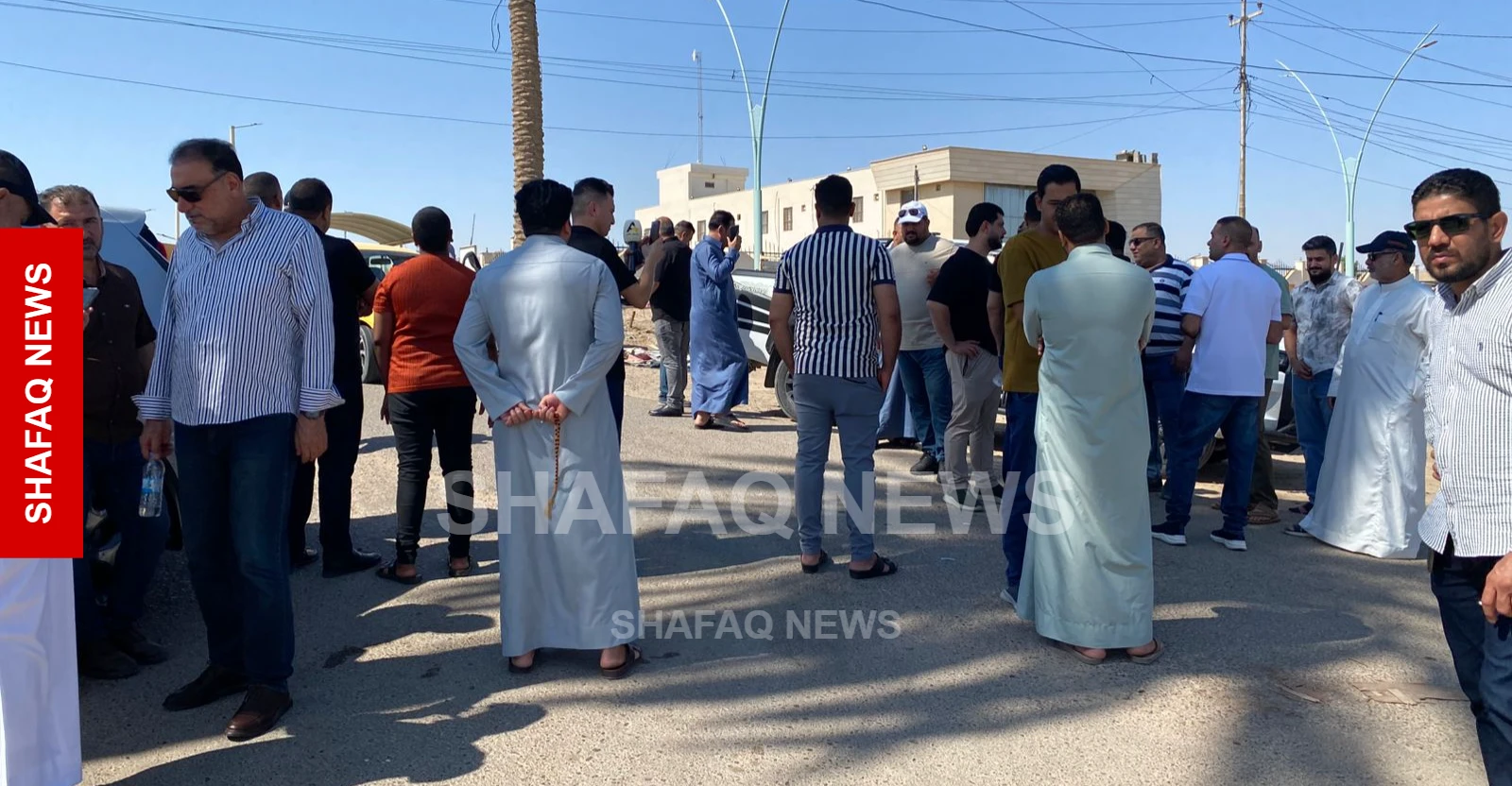
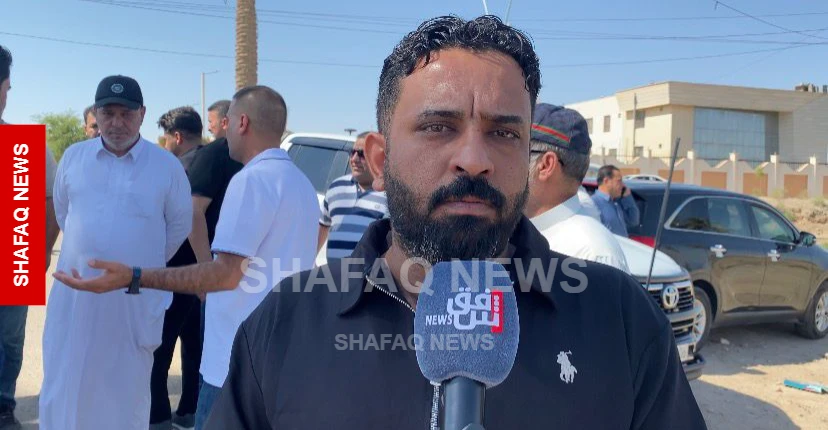
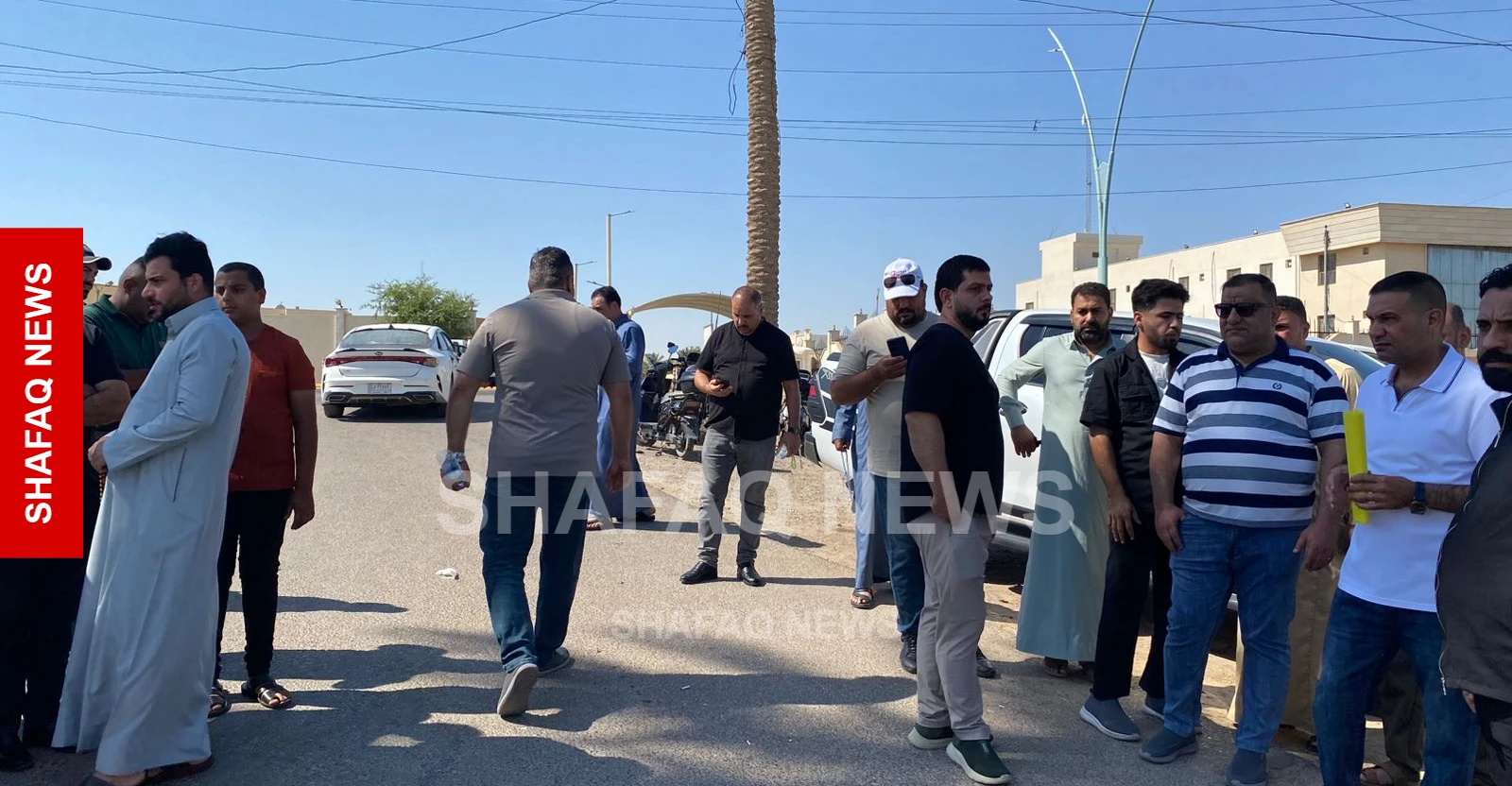
This came during a conference held in Anbar province, attended by a correspondent from Shafaq News Agency, with the participation of a number of contractors from the liberated provinces to raise their concerns and demand their rights and outstanding financial dues from the Reconstruction Fund for Liberated Areas.
The head of the Iraqi and Arab Contractors Union, Ali Fakher Sanafi, confirmed in a statement during the conference that the Reconstruction Fund for Liberated Areas has played a role in supporting the stability of the liberated governorates over the past years by implementing projects, rebuilding infrastructure, and supporting the people of these governorates who were subjected to damage and destruction as a result of military operations against groups of evil and terrorism.
He pointed out that contractors who contributed to the reconstruction of their cities and bore the burdens of implementation, financing and financial obligations cannot be left to face this crisis without real solutions.
According to Sanafi, the contractors called on the government, the House of Representatives, and the Ministry of Finance to intervene urgently and disburse the dues of companies and contractors contracted with the Reconstruction Fund for Liberated Areas, just like the rest of the contracting parties, and to do justice to this segment that had a fundamental role in the reconstruction of those areas.
In an exclusive interview with Shafaq News Agency, Snafi said that the issue of entitlements is "complex and cannot be resolved so easily."
He added that the state is suffering from a financial crisis and a deficit in paying employee salaries, which is repeated at the beginning of each month, considering that the private sector treats him as if he were "second class".
Snafi said the country is facing a "real crisis" after the war and the closure of the Strait of Hormuz, noting that Iraq is known for its dependence on oil.
He explained that the Prime Minister granted contractors 600 billion Iraqi dinars, of which amounts ranging between 300 and 350 billion dinars were distributed, while some ministries have not yet received their share of the amount.
He explained that the agreement stipulates allocating at least one trillion Iraqi dinars per month during the current phase, with the possibility of increasing the amount, stressing that the contractors "are optimistic," but the first 600 billion has not yet been completed.
Snafi stressed that the crisis is not limited to the fund for the reconstruction of liberated areas, but is a "general crisis in all regions of Iraq".
He pointed out that there is communication between the Contractors Union and the sub-unions, warning that stopping projects leads to their demise and harms the citizen, the government and the contractor, expressing that the union does not wish to reach this stage.
Snafi said that contractors "are the children of the state," and that the relationship with it is similar, as he described it, to "father and son," adding that disagreements may occur between the two sides, but they do not mean hatred.
He added that the contractors "did their part," and reached a point where they wanted "only a portion of what they had provided" returned to them.
He pointed out that all projects throughout Iraq have reached completion rates of no less than 30 percent, considering this an achievement for the Iraqi contractor, but he indicated that there is no specific percentage for the stalled projects, although their number is large, and that many projects are now threatened with being stopped due to the financial deficit.
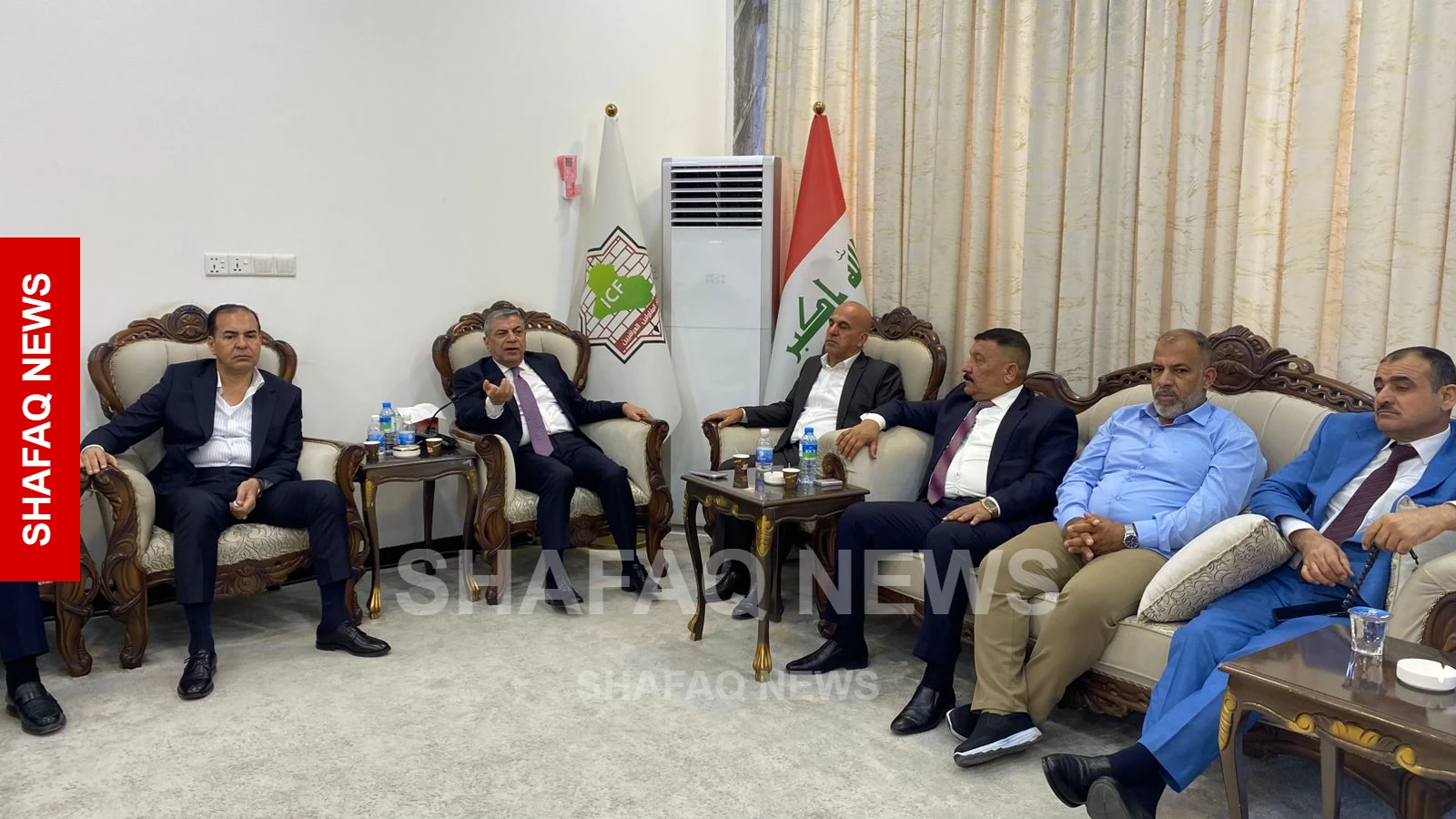
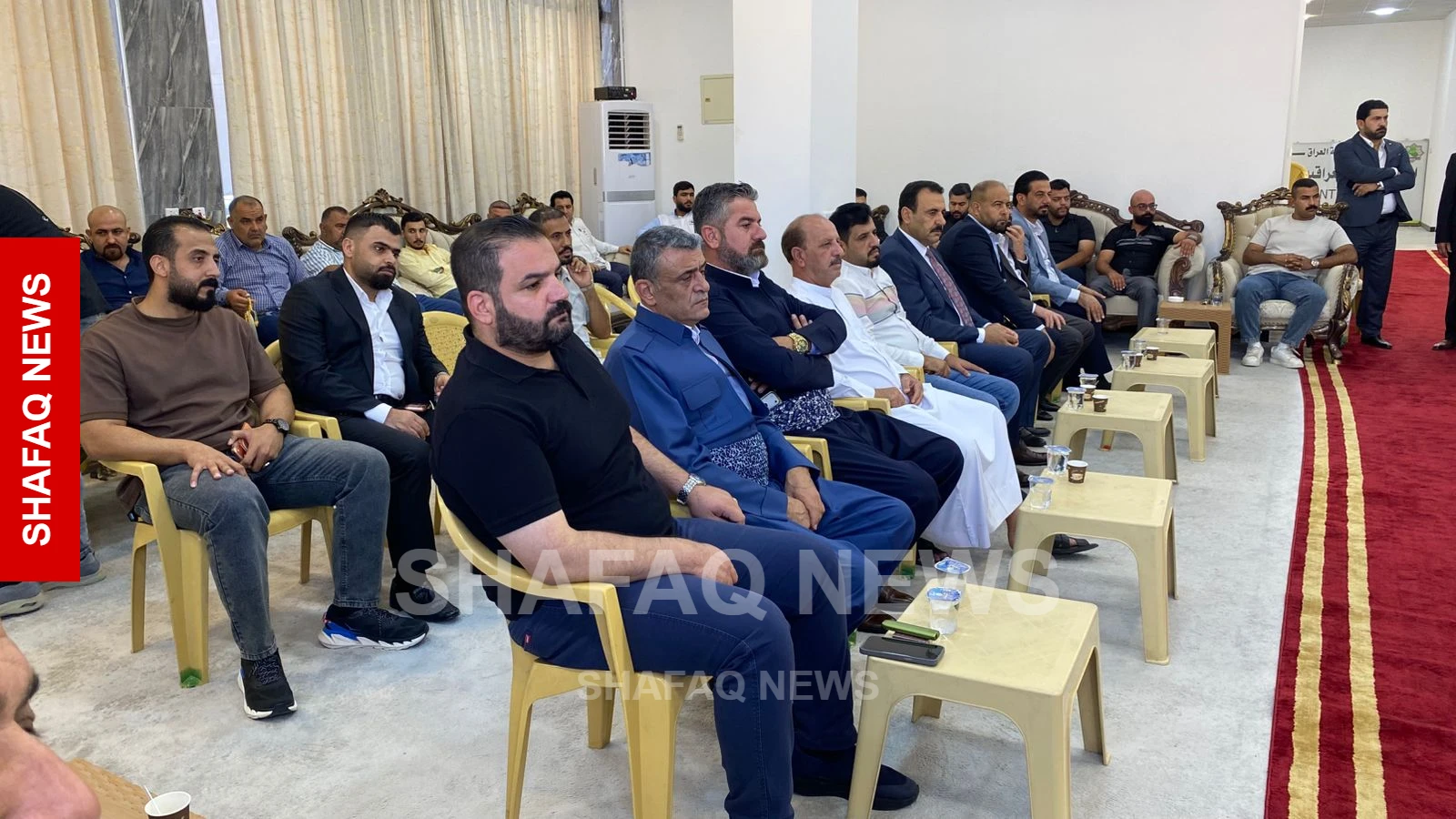
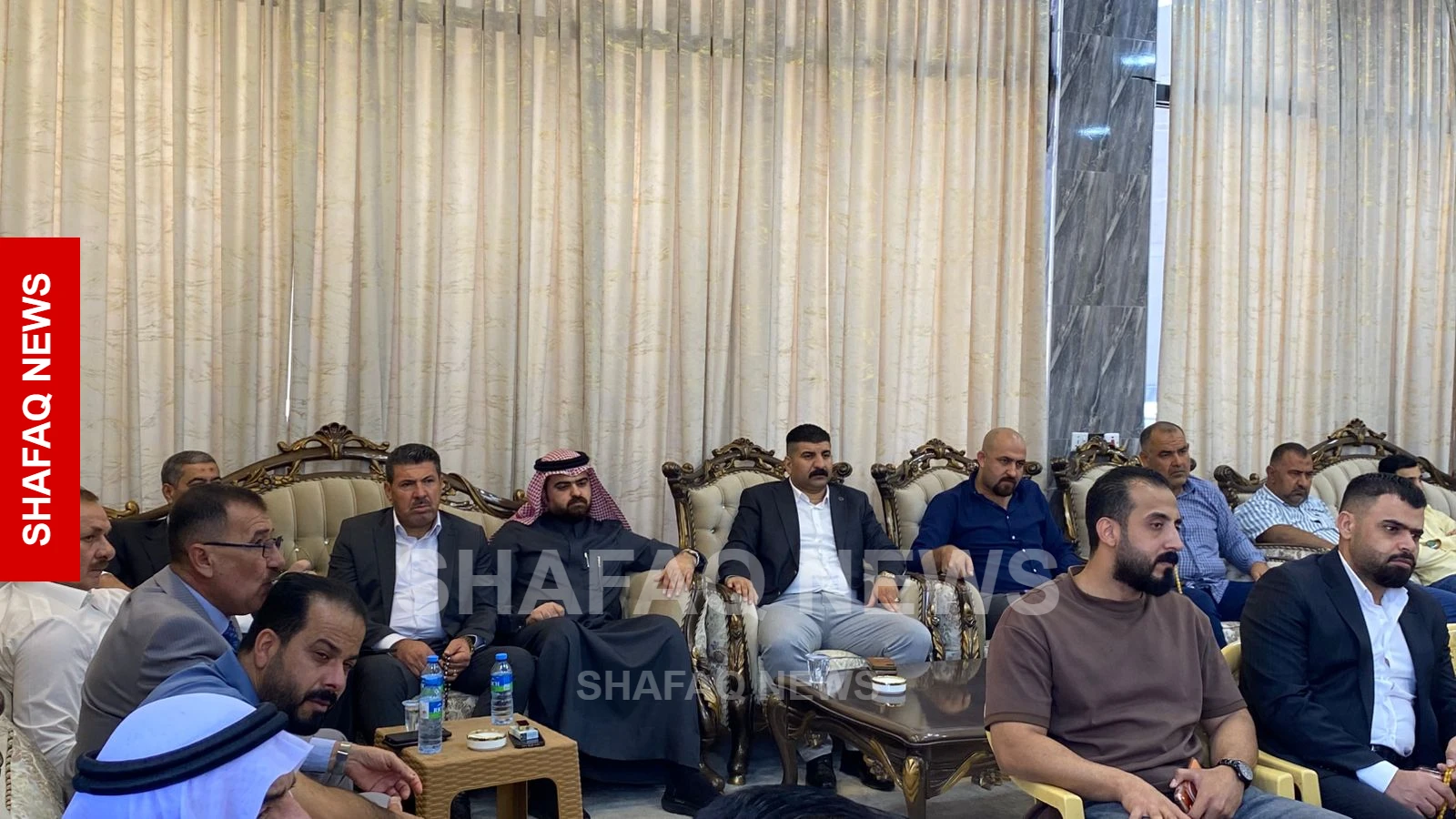
Protests in Basra, Kirkuk and Anbar: Financial and employment demands shake the energy sector (Photos)

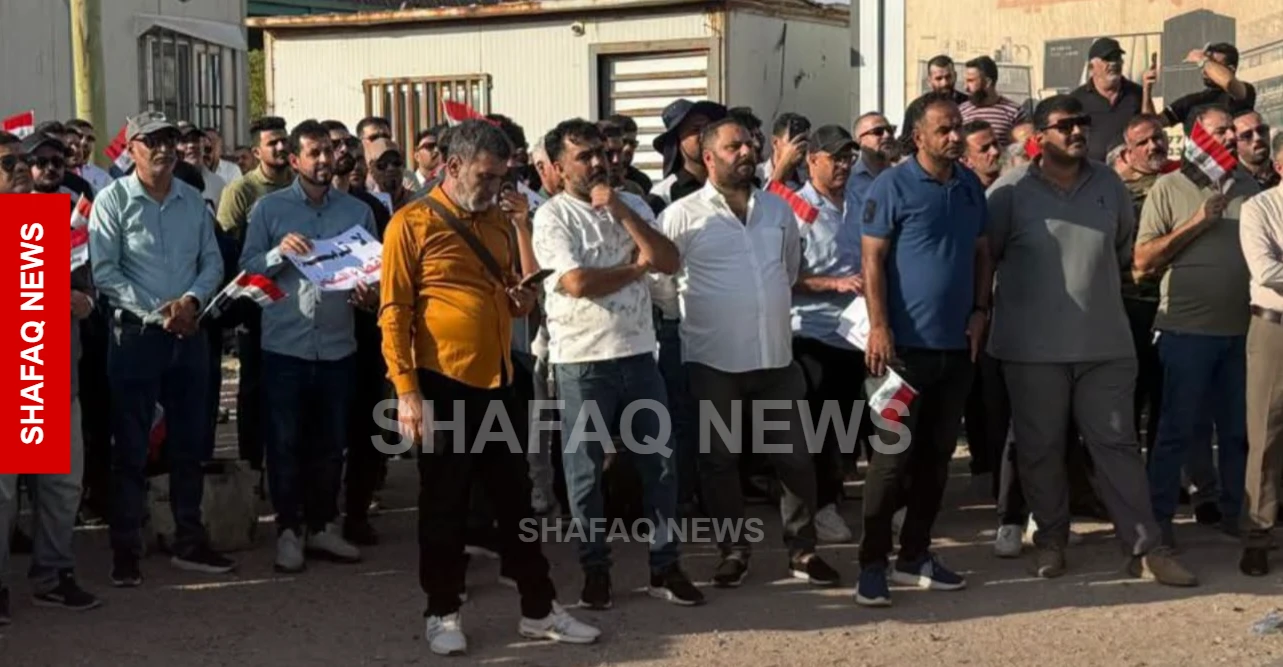
On Tuesday, three Iraqi provinces witnessed protests and sit-ins demanding action related to the energy sector, including rejecting the increase in crude oil prices supplied to refineries in Basra, objecting to the price per ampere for private generators in Anbar, as well as demands to reinstate 610 workers to their jobs at the Kirkuk refinery.
In Basra, demonstrations and sit-ins resumed inside the Shuaiba refinery, expressing categorical rejection of the government’s recent decision to increase the prices of crude oil supplied to investment and government refineries.
The protesters demanded that the concerned authorities immediately reverse this decision, warning of its negative repercussions on the refinery's operating costs, its direct impact on the stability of staff employment, and the decline in profits of companies affiliated with the oil sector, according to a Shafaq News Agency correspondent.
For their part, the owners of private generators in Anbar province organized a protest in front of the provincial council building, objecting to the low price per ampere compared to operating costs, stressing that the approved price does not correspond to the size of the expenses they bear.
Alaa Sadiq Khalaf, the owner of a private generator, told Shafaq News Agency during the protest that his generator operated for about 280 hours during the month of August, while generator owners, according to him, received 35 dinars per ampere, noting that the main problem is related to the price per hour of operation.
Khalaf added that a committee visited the generator owners and determined, according to their calculations, the cost of an hour of operation without taking into account a profit margin of about 42 dinars, while it is being calculated at prices ranging between 26, 33 and 37 dinars, considering that these prices do not correspond to the actual cost of operation.
He explained that generator owners bear additional burdens related to supplying fuel, workers and operating materials, indicating that some of these costs are paid from their own money, despite talk of providing some materials or services for free.
Khalaf stressed that generator owners "are also citizens" and bear significant financial burdens, calling for the adoption of a pricing system that takes into account the actual cost of operation and does not impose additional losses on generator owners under the guise of protecting citizens.
He pointed out that continuing to operate with the current pricing, from the perspective of generator owners, puts them in front of an increasing financial crisis, given the high operating costs and the lack of a sufficient profit margin.
In this context, the generator owners explained that the Prime Minister’s office statement regarding supplying generators with subsidized fuel and operating them for 20 hours a day pertains to the month of September, stressing that their protest today is related to the approved pricing for the month of August, and is not an objection to the directives for the month of September.
In Kirkuk, dozens of workers at the Kirkuk refinery staged a protest in front of the governorate building, demanding justice and a review of the decision to terminate their services.
One of the protesters, named Mohammed Abdullah Dali, told Shafaq News Agency that "dozens of workers employed at the Kirkuk refinery and affiliated with the North Refineries Company in Baiji organized a demonstration in front of the Kirkuk Governorate building to demand their rights and fair treatment."
He explained that "the number of workers whose employment was terminated is 610 people, and they are employees of the Kirkuk refinery, and they have provided years of service and work," indicating that "terminating their services caused them great harm and suffering, and we consider it an injustice and unfairness to us."
Dali added that "the protesters are demanding that the relevant government authorities reconsider their situation and work to reinstate them to their jobs or find a fair solution to address their issue," noting that "the main demand is to include them in the 2027 budget, which would guarantee the restoration of their rights and end their ongoing suffering."
He stressed that the protest was "peaceful, and aimed at conveying the voice of the workers to the local government and the relevant federal authorities, and urging them to intervene urgently to do them justice and listen to their demands."
The protesters demanded that the government, the Ministry of Oil, the North Refineries Company and other relevant authorities "open the file of the 610 workers, review their years of service and the circumstances of their termination, and develop a legal and administrative solution that guarantees their rights."
During a meeting in Baghdad
Al-Zaidi tells Victoria Taylor: Iraq is open to all initiatives with America

Prime Minister Ali al-Zaidi affirmed on Wednesday (September 2, 2026) that Iraq is open to all initiatives that contribute to strengthening bilateral relations with the United States, pointing to the promising future of mutual Iraqi-American partnerships, especially those related to the development, energy and economic sectors, during his reception of a delegation from the Atlantic Council Institute headed by the director of the Iraq Initiative, Victoria Taylor.
A statement from the Prime Minister’s Media Office, a copy of which was received by 964 Network , stated that “Prime Minister Ali al-Zaidi received a delegation from the Atlantic Council Institute headed by Ms. Victoria Taylor, Director of the Iraq Initiative within the Council’s Middle East Program.”
According to the statement, “Al-Zaydi affirmed during the meeting Iraq’s openness to all initiatives that work to strengthen bilateral relations between Iraq and the United States, and the importance of elevating them in a way that achieves the common interests of the two friendly countries.”
The statement explained that “Al-Zaidi pointed to the promising future of mutual Iraqi-American partnerships in various fields, especially those related to the development, energy and economic sectors, given Iraq’s promising investment environment supported by the government’s measures to provide investment facilities to major American companies.”
Al-Zaidi seeks to strengthen economic partnership with Washington
Prime Minister Ali Faleh al-Zaidi affirmed that Iraq possesses a promising investment environment, supported by government measures to provide investment facilities for American companies.
This came during his meeting on Wednesday with a delegation from the Atlantic Council, headed by Victoria Taylor, director of the Council's Iraq Initiative within its Middle East program. The Prime Minister affirmed Iraq's openness to all initiatives that strengthen bilateral relations between Iraq and the United States, emphasizing the importance of elevating these relations to achieve the shared interests of both countries. He also pointed to the promising future of Iraqi-American partnerships in various fields, particularly those related to development, energy, and the economy. In a separate meeting, Al-Zidi received Kaldo Ramzi Oghna, head of the Christian parliamentary bloc, and members of the bloc, where they discussed several political and economic issues, including the progress of forming a new government.
The meeting also discussed the role of the Iraqi Christian community abroad, and the possibility of utilizing its expertise, energies and capabilities in supporting development paths, and enhancing the contribution of Iraqi talents abroad to the process of building and development.
Washington prepares for a scenario in which factions refuse to disarm... Stephen Fagin returns to Baghdad on diplomatic missions

The Israeli newspaper The Jerusalem Post published a report on Wednesday (September 2, 2026) stating that Washington is "aware" of the factions' refusal to hand over their weapons in reality, despite a large part of them announcing their agreement.
The newspaper, as translated by "Baghdad Today," said that Washington, "despite its great optimism about the disarmament process, knows that most of the factions are not serious about achieving this and are trying to buy time and postpone the matter as much as possible," as it described it.
She continued, "The US State Department decided to send Steven Fagin to take over the management of Washington's largest embassy in anticipation of a scenario in which the factions refuse to disarm," explaining, "The US government's refusal to appoint a permanent ambassador to Iraq and the accreditation of Joshua Harris as chargé d'affaires was a process of reducing diplomatic and political cooperation with Iraq."
The newspaper also confirmed that the appointment of Fagin as a replacement for Joshua Harris came about because of his “great experience in dealing with the Iraqi file during the previous years, in addition to being a choice that provides great reassurance to the Kurdish allies in Iraq.”
It is noted that the US Embassy in Baghdad welcomed the return of US Ambassador Steven Fagin as Chargé d'Affaires at the US Embassy, replacing Joshua Harris, who announced the end of his diplomatic mission in the country yesterday.
US Energy Secretary Arrives in Venezuela to Finalize Oil Deal Giving Washington Greater Control
Chris Wright says new investment agreements could more than double Venezuela’s oil production as Washington seeks to expand its influence over the country’s vast reserves

US Energy Secretary Chris Wright arrived in Venezuela on Tuesday to finalize a major oil agreement that would give Washington effective control over a significant share of the country’s petroleum production, following approval by Venezuela’s government-dominated National Assembly.
US President Donald Trump announced the agreement last week, saying it would give the United States majority control of operations involving 17 oil fields containing about 65 billion barrels of proven reserves.
Wright said upon his arrival that “several deals” would be announced on Wednesday and predicted that the agreements would lead to more than a doubling of Venezuela’s oil production over the next few years.
“These investment deals in Venezuela are to bring peace, opportunity and prosperity to the people of Venezuela and to the people of the United States,” Wright told reporters.
US oil giant Chevron is also expected to announce a major expansion of its operations in Venezuela on Wednesday.
Washington has defended the agreements as a way to increase Venezuelan oil production, potentially lower energy prices for US consumers and reduce Russian and Chinese influence in a country located close to the United States.
The deal comes after Washington dramatically expanded its influence over Caracas following the removal of Venezuelan President Nicolas Maduro in January.
Washington Seeks Control of Oil Assets
US Secretary of State Marco Rubio said Tuesday that a private company was working with the US government to “normalize the Venezuelan economy.”
“Essentially, this is now an agreement with the US government,” Rubio said in a Spanish-language interview with Venezuelan journalist Sergio Novelli.
He said the US Defense Department would be involved through a special account that would allow Washington to take possession of a percentage of the assets involved in the agreement.
Rubio said the arrangement would enable the company to increase production and attract the private investment required to restore Venezuela’s oil fields. He added that the “vast majority” of the 17 fields had previously been in the hands of Chinese and Russian companies.
The agreement would grant the United States preferential access to oil produced from the 17 fields, including facilities previously operated by Russian and Chinese companies.
In Caracas, some opposition lawmakers abstained from the National Assembly’s show-of-hands vote, arguing that they should first be allowed to examine the agreement’s written terms.
“We need and are obliged to know what is written in the fine print,” opposition lawmaker Luis Emilio Rondon said.
National Assembly President Jorge Rodriguez defended the agreement, arguing that Venezuelans would benefit from increased oil production and investment.
“Who benefits from this oil if it stays underground?” Rodriguez said.
Venezuela’s Defense Minister Gustavo Gonzalez Lopez also backed the deal, describing it as an agreement aimed at bringing “prosperity and well-being” to the country.
“Turning a political difference into an economic cooperation agreement is simply a decision to choose peace; it is not subordination,” he said.
US Government to Take 35% Stake
A major component of the agreement involves North American Blue Energy Partners (NABEP), Venezuela’s second-largest private oil company, run by businessman Alejandro Betancourt.
The US government is set to take a 35 percent stake in NABEP, while Washington will receive the right to purchase 20 percent of the oil produced by the company at production cost, according to the White House.
US citizens will hold a majority of the company’s board seats, giving Washington effective control, while the US government will have veto power over board appointments.
Betancourt has previously faced accusations of involvement in a corruption scheme involving Venezuela’s state-run oil company PDVSA.
A US official nevertheless described him as a “proven operator,” acknowledging that geopolitical agreements can sometimes require dealing with “imperfect” partners.
US officials say American involvement will help combat corruption in Venezuela’s deteriorating oil industry and prevent Caracas from diverting large quantities of oil to its ally Cuba.
The agreement also gives Washington a direct economic stake in restoring Venezuela’s oil production, while reducing the role previously played by Moscow and Beijing in the country’s energy sector.
For the Trump administration, increased Venezuelan production could also have a political dimension, with lower oil prices a key priority ahead of crucial US midterm elections in November, when Republicans are seeking to retain control of Congress.
"Victorious" warns of new American chaos ahead of withdrawal from Iraq
The head of the Victorious parliamentary bloc ,
Faleh al-Khazali, warned on Wednesday of the dangers of renewed American chaos before the withdrawal from Iraq, stressing the need to pay attention to developments that may accompany the coming period.
In a statement to Al-Maalomah News Agency, al-Khazali said that the period preceding the withdrawal of US forces from Iraq requires caution and preparedness, warning of the possibility that this period could be exploited to incite chaos and destabilize the country.
He added that Iraq needs a clear stance that preserves its security, stability, and sovereignty, emphasizing the importance of dealing cautiously with any developments that may occur before the withdrawal process is completed.
He indicated that the coming period necessitates strengthening the national position and monitoring events on the ground to ensure that no chaos or repercussions affecting the country's security and stability are allowed.
"A distinction must be made between light and heavy."
Al-Maliki calls for replacing the term “disarmament” with “weapons containment”: it has a psychological impact on the factions.

The head of the State of Law Coalition, Nouri al-Maliki, revealed the formation of a joint committee with the factions to “organize and contain” weapons instead of the term “disarmament,” which is psychologically and practically unacceptable. He indicated that the discussions are currently focused on distinguishing between heavy, medium, and light weapons, as he put it, in an interview with journalist Hisham Ali, excerpts of which were broadcast and followed by the 964 Network .
Al-Maliki explained that “the language that was prevalent, which was defiance, threats, and intimidation, has ended, because threats do not lead to results, and calls for conflict, attacks on headquarters, and attacks on the government do not lead to results. The government is not weak enough to be attacked, and it is not in the interest of the factions to be attacked. This is one of the first facts that has come to light, which has opened the door and the field for us and others who are interested in national affairs and the safety of the internal situation to find an opportunity for discussion and dialogue to reach a formula for resolving the crisis without exposing us to a state of confrontation.”
The head of the State of Law Coalition added that “the term ‘disarmament’ is not used, because perhaps the other party’s title is ‘disarmed,’ and this has a psychological and practical effect. The better term is ‘regulating weapons’ or ‘containing them,’ and we are looking for a way to contain them.”
Al-Maliki pointed out, “This method has priorities at the moment, and there is a distinction between heavy, medium and light weapons. This is one of the issues being raised: Does preserving or containing weapons include everything? Or only a type of weapon that is considered an internal and external targeting weapon? This is what the committee formed with the factions will resolve.”
Parliamentary Security Committee: We seriously doubt the withdrawal of the international coalition from Iraq.
On Wednesday, Jawad al-Saadi, a member of the Parliamentary Security and Defense Committee, called on the government to include the Parliament in the committees tasked with monitoring the withdrawal of international coalition forces from Iraq, expressing doubts about the seriousness of the withdrawal's implementation.
Al-Saadi told the Information Agency, "The government is required to include Parliament in the committees concerned with the withdrawal of international coalition forces to ensure clear monitoring of the procedures," indicating that "there are doubts about the seriousness of the withdrawal and the extent of commitment to its implementation."
He added, "The continued presence of international coalition forces in Iraq is not in the country's interest, especially since Iraq possesses security forces capable of maintaining security and defending its territory," stressing the need for the withdrawal process to be clear and specific, in a way that preserves Iraq's sovereignty and its security decisions.
Al-Saadi affirmed that "Parliament is concerned with monitoring this issue, and its inclusion in the withdrawal committees contributes to strengthening oversight and ensuring the implementation of what is agreed upon."
Living costs squeeze savings for Iraqi households

For many salaried Iraqis and retirees, a month's pay is largely spent the moment it arrives, leaving little room for savings or investment as rent, utilities, food and transportation take a growing share of household income.
Abu Ahmed, a Baghdad resident, said his salary is "gone as soon as I receive it," with rent, bills, food and transportation taking priority before any money can be set aside. What remains, he said, is too little to save in any meaningful way.
The timing of salary payments adds to the strain. Hassan Hadi, another Baghdad resident, said household expenses continue regardless of whether salaries arrive on schedule, with school fees, clothing, private generators, food and transportation consuming much of his income.
What The Essentials Cost
The pressure is reflected in the cost of basic goods and services. Regular gasoline is priced nationally at 450 dinars per liter, about $0.35, under decisions issued by the Council of Ministers.
Many Baghdad households also rely on neighborhood generators during outages in the national grid. The Baghdad Provincial Council sets monthly generator rates; in June 2026, it priced an ampere at 12,000 dinars ($9) for round-the-clock service, 8,000 dinars ($6) for night-only supply and 6,000 dinars ($4.60) in privatized areas linked to the national grid.
Against those costs, Iraq's statutory minimum wage has remained at 350,000 dinars a month, about $269, since a 2017 cabinet decision. That is about 30% below the roughly 500,000 dinars ($385) that labor unions cite as an estimated monthly poverty line.
Education can add substantially to household expenses. Annual fees at Iraq's private colleges range from about 1.2 million to 8 million dinars ($920 to $6,150), rising above 10 million dinars ($7,690) for some medical and dental programs, according to government figures.
A Low Rate Of Saving
Mudhhir Mohammed Salih, financial adviser to the prime minister, told Shafaq News that Iraq's gross national savings average 12% to 15% of GDP, with the rate fluctuating according to oil prices, income, consumption and investment.
Using a measure focused on individuals rather than national savings, economist Hilal al-Taan said about 9.7% of Iraqis saved money in 2024, well below the global average. He attributed the low rate to limited incomes, high spending on food and housing, weak confidence in banks and rising living costs.
Inflation And The Shrinking Dinar
Najm Abdul-Tarish, an academic at the University of Dhi Qar, said much of a household's income goes toward housing, education and healthcare, while inflation erodes the dinar's purchasing power. In practical terms, the money in a worker's pocket buys less even when its face value remains unchanged.
"Higher inflation can therefore erode savings while raising household expenses, putting additional pressure on both saving and investment," Abdul-Tarish told Shafaq News.
Exchange-rate pressures add another dimension. While the Central Bank of Iraq sets the official rate at 1,300 dinars to the dollar, the currency has traded weaker on the parallel market. In May 2026, $100 sold for about 153,750 dinars in Baghdad, equivalent to roughly 1,538 dinars to the dollar, according to exchange-shop data.
Cash Outside The Banks
Salih said a large amount of cash circulates outside Iraq's banking system, although he cautioned that money held outside banks should not be treated entirely as savings because much of it is used for everyday purchases, trade and other transactions.
Moving a larger share through banks could strengthen their capacity to finance economic activity, he said.
"A larger share of savings moving through banks would strengthen their ability to mobilize domestic resources for lending and investment," Salih said, pointing to the need for better banking services, greater public confidence in financial institutions and wider use of electronic payments.
Central Bank figures illustrate the challenge. Total deposits at operating banks fell from 133.50 trillion dinars ($102.7 billion) in 2023 to 122.88 trillion dinars ($94.5 billion) in 2024. Over the same period, bank credit increased from 95.66 trillion dinars ($73.6 billion) to 102.24 trillion dinars ($78.6 billion), increasing the importance of attracting deposits to support lending.
Economist Dhergham Mohammed Ali linked weak savings to the limited use of banks, calling for wider adoption of electronic payments and more point-of-sale terminals and cash facilities across retail businesses and transportation.
By the CBI's latest reading, currency in circulation totaled 111.189 trillion dinars ($85.5 billion), of which 101.966 trillion dinars ($78.4 billion) circulated outside the banking system — about 91.7% of the total.
That does not mean the money represents untapped household savings; much of it finances everyday transactions. But the scale highlights the challenge facing Iraq's banking sector: drawing more economic activity into formal financial channels while many households have increasingly little income left to save.

No comments:
Post a Comment