Small banknote shortage causes daily disruption in Kirkuk markets

Merchants and residents in Kirkuk, northern Iraq, are increasingly struggling to obtain 250-dinar ($0.19), 500-dinar ($0.38) and 1,000-dinar ($0.76) banknotes, with traders reporting shortages of small denominations and growing difficulties using worn or damaged notes in daily transactions.
The video for this My FX Buddies Blog post is below here:
Abbas Ahmed, a shopkeeper in Kirkuk’s Doctors Street market, told Shafaq News that obtaining the three denominations has become increasingly difficult. “When customers pay with larger notes, some shops ask them to buy another item rather than give them their change.”
Some small-denomination notes reaching shops are also torn, dirty or heavily worn, making merchants and customers reluctant to accept them.
Samer Abdullah, a currency exchanger on Republic Street, noted a sharp increase in demand for small denominations, while supplies remain inconsistent.
Residents and merchants often turn to exchange shops for smaller notes, but the quantities available fluctuate. Some notes brought in for exchange are already damaged and need to be replaced rather than returned to circulation.
Small-denomination notes change hands more frequently than larger ones, making them more vulnerable to wear and tear, Abdullah explained.
Describing the shortage as a daily problem, Hamza al-Jubouri, a wholesaler in Kirkuk’s Citadel Market, told Shafaq News that small amounts of change are often needed in wholesale and retail transactions, leaving merchants with limited options when the required denominations are unavailable.
Some traders hold on to 250-dinar, 500-dinar, and 1,000-dinar notes rather than spend them, fearing they will be unable to replace them later. This further reduces the number of these notes circulating in the market.
Shafaq News’ review of currency issuance data shows that the number of 1,000-dinar notes rose from 718 million in 2022 to 775 million in 2026. The number of 250-dinar notes increased from 795 million to 818 million, while 500-dinar notes fell slightly from 147 million to 145.4 million.
Together, the three denominations accounted for about 1.738 billion notes in 2026, compared with roughly 1.660 billion in 2022, an increase of about 78.4 million notes.
The figures do not indicate how many of those notes are physically available in shops or remain in good enough condition for daily use. They reflect issuance data rather than the number of notes actually circulating or the proportion that has become damaged.
The Central Bank of Iraq (CBI) continues to list 250-dinar, 500-dinar and 1,000-dinar notes among the country’s officially circulating denominations. It has also stated that older notes remain legal tender alongside newer issues.
In an interview with Shafaq News, Economist Ali Khalil said the availability of small denominations should be measured not only by the number of notes issued but also by the number that remain fit for circulation.
Frequent handling makes small-denomination notes particularly vulnerable to damage, meaning some of the issued supply may have been removed from circulation or require replacement.
Khalil pointed out that the existence of more than one billion notes across the three denominations does not necessarily indicate a surplus in the market. “Damaged notes may no longer be usable even if they remain part of the official issuance figures.”
He called for stronger mechanisms to replace damaged notes, ensure a steady supply of new notes and monitor the movement of cash through banks, exchange shops and merchants.
The CBI has procedures for handling damaged banknotes, including criteria for their replacement depending on the type and extent of damage. An electronic service is also available through the Ur platform to submit requests for the replacement of damaged banknotes.
In 2020, the central bank reinstated penalties related to shortages of 1,000-dinar, 500-dinar, and 250-dinar notes, effective Oct. 1 of that year, under rules governing the circulation and replacement of banknotes and their counting and sorting.
Office worker Suhad Ibrahim told Shafaq News that consumers are among those most affected because they have little control over the availability of small denominations when making everyday purchases.
Customers who pay more than the price of an item sometimes do not receive their full change or are asked to buy another item to avoid losing the remaining amount.
The shortage is particularly noticeable in shops, markets and public transportation, where small cash payments are common.
Despite their low face value, 250-dinar, 500-dinar and 1,000-dinar notes remain an important part of Iraq’s cash-based economy. While official figures show an increase in the number of 250-dinar and 1,000-dinar notes since 2022 and a slight decline in 500-dinar notes, merchants in Kirkuk continue to report difficulty obtaining small denominations in usable condition.
With the participation of a Kurdistan delegation, the Ministry of Finance held a meeting regarding budget preparation.
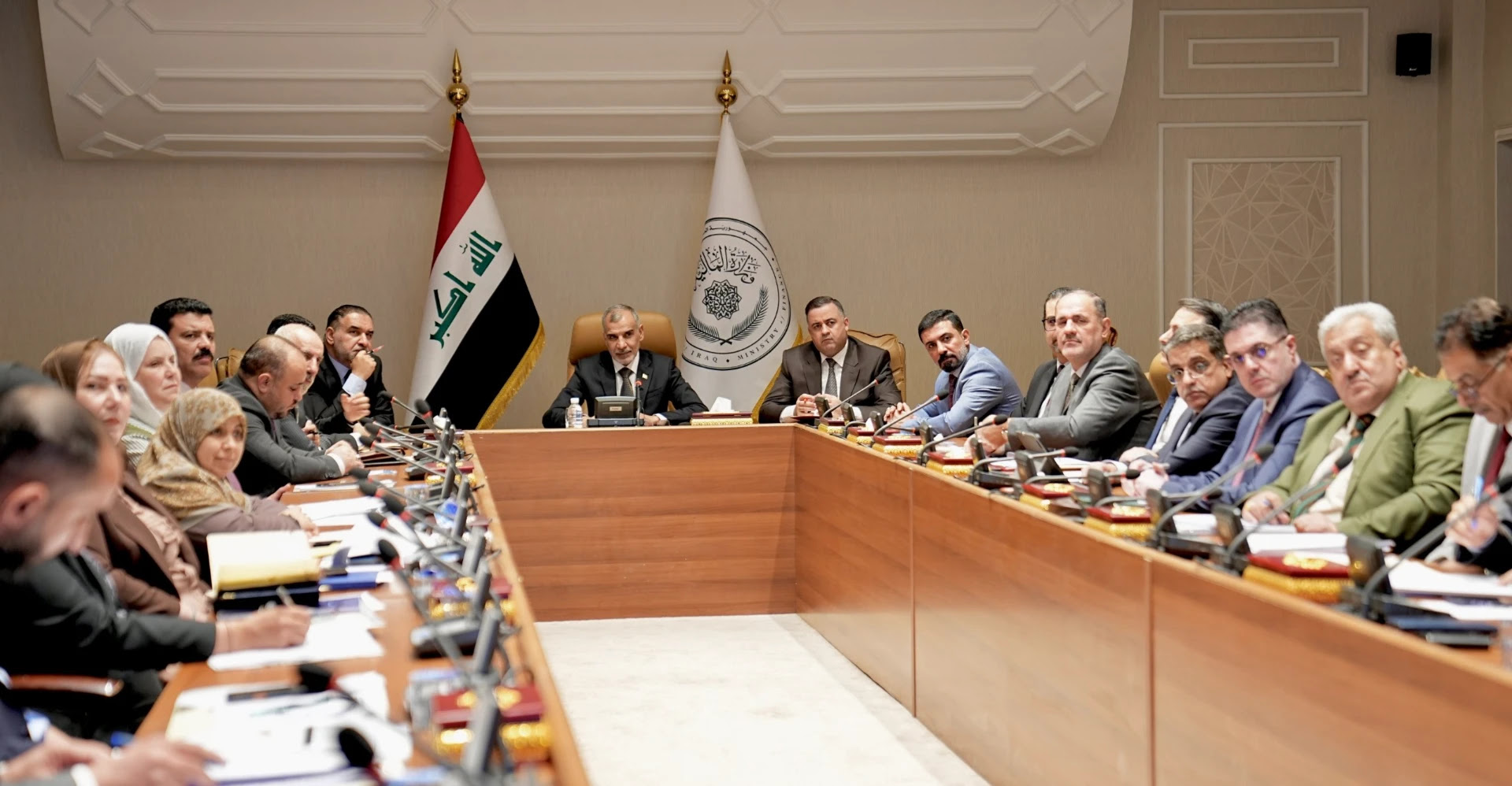
The Ministry of Finance announced on Thursday that a meeting was held regarding the preparation of the budget, with the participation of a delegation from the Kurdistan Regional Government and government agencies.
The ministry said in a statement: Finance Minister Faleh Sari continues his meetings to follow up on the work outputs in preparing the draft program and performance budget, in the presence of the governor of Salah al-Din, a delegation from the Kurdistan Regional Government, members of the House of Representatives, along with representatives from a number of ministries, governorates and government agencies.
She added: “ During the meeting, the progress made in the budget preparation stages according to the approved timetables was reviewed, and the outputs reached by the working groups were discussed, in addition to the observations and proposals submitted to complete the project requirements.”
Al-Sari indicated, according to the statement, that “ the Ministry of Finance has made significant progress in completing the requirements for preparing the program and performance budget,” explaining that this shift aims to move from focusing on the size of financial allocations to measuring the results and objectives achieved by linking budgets to programs, projects and performance indicators.
The Minister of Finance called for bilateral meetings between the committees concerned with preparing the budget and the Kurdistan Regional Government delegation in the coming days, stressing that full transparency in disclosing financial data and revenues is a fundamental condition for reaching a realistic and accurate budget.
The Central Bank promotes a culture of compliance among exchange companies in southern Iraq.

The Central Bank of Iraq, through its branch in Basra, held a specialized training course to promote a culture of compliance and combat money laundering and terrorist financing, with broad and active participation from exchange companies operating in the southern governorates of Iraq.
The session addressed the outputs of the national assessment report and the results of the mutual assessment report on money laundering and terrorist financing risks in the Republic of Iraq, in addition to the responsibilities and supervisory procedures incumbent upon non-bank financial institutions, foremost among them exchange companies.
The session emphasized the importance of raising awareness of financial risks and strengthening compliance procedures, which contributes to protecting financial institutions and supporting the safety and stability of the Iraqi financial sector, especially in light of the role played by exchange companies in the movement of cash and financial transactions in the southern governorates.
The session witnessed broad interaction and participation from exchange companies, reflecting the sector’s interest in developing institutional performance, keeping pace with regulatory requirements, and understanding the implications of national and international assessment results on daily work procedures.
This step comes as part of the Central Bank of Iraq's efforts to promote education, training and capacity building, along with supervision and regulation, with the aim of preventing risks and promoting sound practices in non-bank financial institutions.
Organizing these training programs in the Basra branch is an important step to expand awareness and compliance in the southern governorates, and to enhance direct communication between the Central Bank and the entities under its supervision, in order to support the development of the financial sector and raise the efficiency of its employees.
Asiabi launches Mastercard card program and connects its customers in Iraq to payments around the world
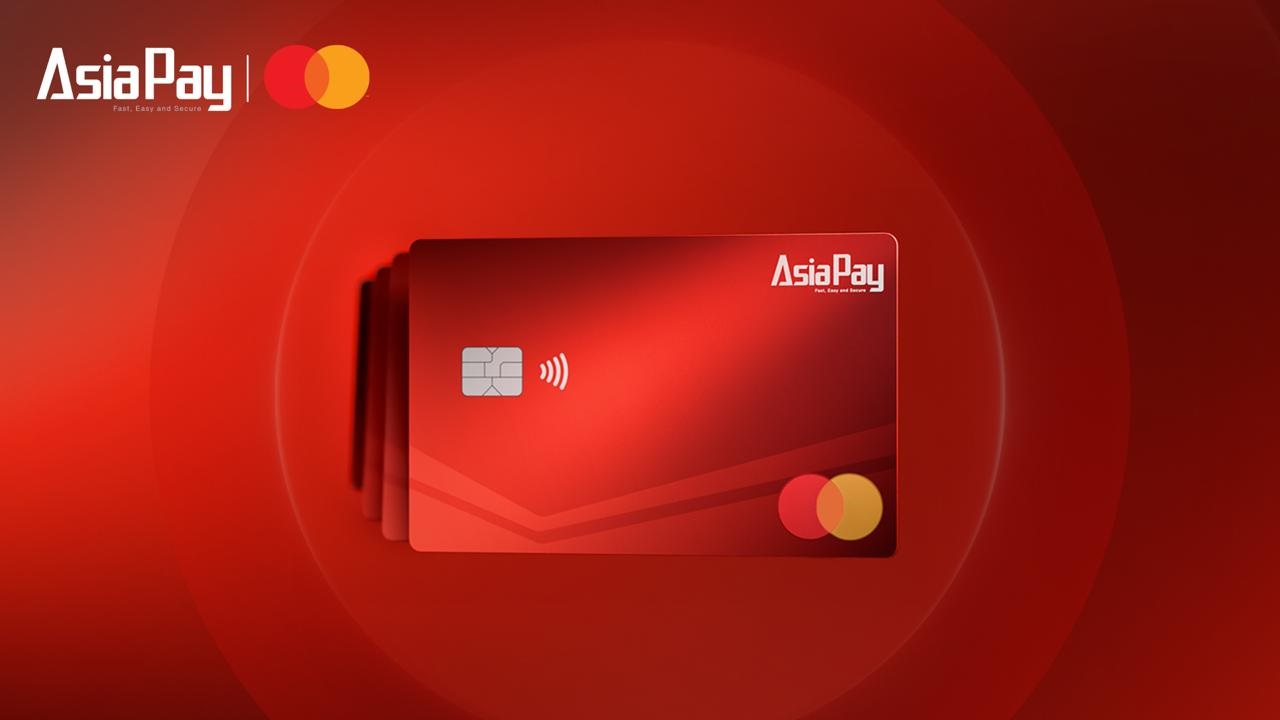
Asiabee offers virtual Mastercard, Platinum and World cards directly linked to the Asiabee wallet, enabling secure local and international payments through a single integrated digital experience.
Asiabee is an Iraqi non-banking financial services company and digital payment solutions provider, headquartered in [location missing].SulaymaniyahOperating throughout Iraq, Asiapi was founded in 2015 and was among the first companies in Iraq to receive a license from the Central Bank of Iraq to provide digital payment services.
Today, Asiapi offers a comprehensive digital payment system that is fast, easy, and secure, serving individuals and businesses through dedicated customer and business applications. Its services include digital wallets, international money transfers via MoneyGram, bill payments, mobile top-ups, e-voucher purchases, payroll processing, and online and in-store merchant payment solutions.
Asiapi also offers Mastercard payment products, supported by its in-house card allocation center and licensed by Mastercard and the Central Bank of Iraq, providing customers with secure and convenient card payment solutions that are supported both locally and globally.
Want to Support My FX Buddies?
 Thanks
Support My FX Buddies
BuyMeACoffee CashApp:$tishwash
https://paypal.me/tishwash

.jpeg)

The spokesman for the Supreme Islamic Council reveals the date when al-Zaydi will submit his nominees for the remaining ministries.
The spokesman for the Supreme Islamic Council, Ali al-Difai, revealed on Thursday that Prime Minister Ali Faleh al-Zaidi intends to submit the CVs of the remaining ministerial candidates to the House of Representatives next week, suggesting that the vote to complete the cabinet will take place the following week.
Al-Difai said in his interview with the program (Openly), which is broadcast by Al-Sumaria TV, that “the failure to complete the government after about 100 days represents a (weak point),” explaining that “the delay is due to disagreements within some political forces over the candidates, in addition to disagreements among the Kurdish and Sunni parties and the forces of the Coordination Framework.”
He added that "Al-Zaydi raised the importance of resolving the issue during the last meeting of the coordination framework," and stressed that "next week should witness the end of the disputes and the sending of the names of the candidates to Parliament."
Regarding the issue of deputy prime ministers, Al-Difai indicated that "the trend is moving towards bypassing the idea of creating these positions, in light of the failure to complete the cabinet and the financial crisis," stressing that "the priority is to fill the vacant ministries."
Fuad Hussein discusses regional de-escalation efforts with the director of the Iraq Initiative at the Atlantic Council

Foreign Minister Fuad Hussein received Victoria Naylor, director of the Iraq Initiative program at the Atlantic Council in Washington, on Thursday to discuss the latest regional developments.
The Ministry of Foreign Affairs stated in a press release received by the Video News Agency that the meeting addressed initiatives and efforts aimed at de-escalating tensions between the United States and Iran.
The statement added that the two sides discussed the Iraqi government's efforts to regulate and restrict the possession of weapons to the state, the challenges facing the implementation of these measures, and Iraqi-American relations, including ways to develop and strengthen cooperation, particularly in light of the Prime Minister's recent visit to Washington.
A silent crisis is hitting private banks... and a source warns: "Al-Taif" may not be the last.

Iraqi private banks are entering a very sensitive phase, amid warnings of widening liquidity problems and the inability of some banking institutions to meet their obligations to their depositors, at a time when the sector is undergoing a broad restructuring and evaluation process led by the Central Bank of Iraq.
An informed banking source revealed to Al-Mustaqila that the situation within a part of the private banking sector is going through one of its most difficult phases in recent years, warning that the problems that have appeared in Al-Taif Islamic Bank may not be an isolated case, according to his assessment.
The source said that other private banks are facing varying degrees of financial and liquidity pressures, noting that there are complaints from depositors about delays in receiving their money or difficulty in withdrawing funds from their accounts at some banks.
He added that “there are cases whose details have not been officially announced to the public yet,” calling on the Central Bank of Iraq to intensify its scrutiny of the financial solvency and actual liquidity of private banks, and to ensure their ability to return depositors’ money on demand.
Is "The Spectrum" the beginning of a bigger project?
These warnings come after the Central Bank of Iraq’s decision on September 2, 2026, to place Al-Taif Islamic Bank for Investment and Finance under receivership for 18 months, after confirming the existence of “serious violations” that affected the bank’s financial position and depositors’ funds.
This decision gives an indication that regulatory authorities are becoming more stringent in dealing with banks whose financial situations may pose a risk to depositors' funds or to the integrity of banking operations.
But the source from “Al-Mustaqilla” goes further, as he believes that the need today is not to address the situation of just one bank, but rather to conduct a comprehensive review of the conditions of private banks that show signs of weakness in liquidity or failure to meet their obligations towards customers.
Depositors are waiting for their money.
According to information obtained by “Al-Mustaqila”, one of the most prominent indicators that warrants regulatory investigation is the existence of complaints related to the difficulty of some depositors obtaining their full funds immediately in a number of banks.
The source emphasizes that any repeated delays or unjustified restrictions on withdrawals should prompt regulators to check the bank’s financial position and match the amount of liquidity available with its obligations to the public.
Al-Mustaqilla cannot currently confirm the number of banks facing such problems independently, and the Central Bank of Iraq has not yet issued an official statement indicating that “dozens of banks” are suffering from conditions similar to Al-Taif Bank.
Therefore, this information remains within the framework of what the banking source revealed to “Al-Mustaqila” and requires regulatory scrutiny and official disclosures that determine the true extent of the problem.
Banking reform could change the landscape of the sector
The current concerns come in conjunction with the largest private banking sector reform program in Iraq in recent years.
The Central Bank had announced that Iraqi banks were required to choose one of three paths within the reform program: to continue as an independent banking institution, to merge with other banks, or to exit the market, with the banks subject to assessments related to minimum requirements, governance, compliance and financial performance.
This means that the current Iraqi banking landscape may not remain the same in the coming period, especially with the continuation of auditing processes and the identification of banks capable of meeting the new requirements.
The Central Bank previously confirmed that the reform process aims to raise the levels of compliance, governance and transparency, improve institutional performance and enhance the resilience of the banking sector.
The decline in deposits increases the sensitivity of the current phase.
The issue becomes more sensitive with the decline in total bank deposits during the first months of the year.
According to official data published in August, total deposits in Iraqi banks amounted to about 104.296 trillion dinars by the end of May 2026, down from 104.727 trillion in April and 105.090 trillion in March, meaning that deposits recorded a decline for three consecutive months.
This decline in itself does not mean there is a full-blown banking crisis, but it makes the issue of confidence, liquidity, and the ability of banks to meet withdrawal requests more important for regulators.
Source to Al-Mustaqilla: Protecting depositors must be the priority
The source calls on the Central Bank of Iraq to take clearer steps towards banks that prove unable to meet their obligations, stressing that protecting citizens’ money must take precedence over any other consideration.
He added that addressing problems in their early stages can prevent the crisis from spreading from a single bank to a wider loss of confidence in the private banking sector.
The source stresses that the anticipated measures, in his opinion, should include a review of the actual liquidity size, the ratio of deposits to liquid assets, non-performing loans, transfers and transactions with parties related to the bank, in addition to each bank’s ability to meet customer withdrawals without delay.
The most serious question is: How many banks might face the same fate?
So far, there is no official list of other banks that will be placed under guardianship or liquidation, and it cannot be said with certainty that the situation of Al-Taif Bank applies to other banking institutions.
But the guardianship decision, in parallel with the reform program that presents banks with options to continue, merge or exit, makes the next stage open to decisions that may completely redraw the map of the Iraqi banking sector.
The questions that remain are:
Are there really other banks that are unable to meet the demands of their depositors?
What is the amount of money that might be at risk?
Will the central bank announce the results of its evaluation of banks transparently to the public?
Will the guardianship of Al-Taif Bank be an isolated case, or the beginning of a series of broader banking measures?

No comments:
Post a Comment