Iraq prepares to receive a delegation representing 50 American companies.

The Iraqi Embassy in the United States announced on Saturday arrangements to receive a delegation representing 50 American companies specializing in energy, healthcare, education, and other sectors.
The video for this My FX Buddies Blog is below here:
A statement published by the Iraqi Embassy in Washington, followed by "Ultra Iraq," stated that "Iraqi Ambassador Nizar Al-Khairallah met with Steve Lutes, Vice President of the U.S. Chamber of Commerce and President of the U.S.-Iraq Business Council, along with his deputies."
According to the statement, the ambassador said, "The meeting focused on discussing logistical arrangements for the upcoming visit of a delegation of American businessmen to Iraq, which will include representatives from more than 50 American companies specializing in energy, healthcare, education, transportation, and other vital sectors."
An American delegation representing 50 companies is expected to visit Iraq.
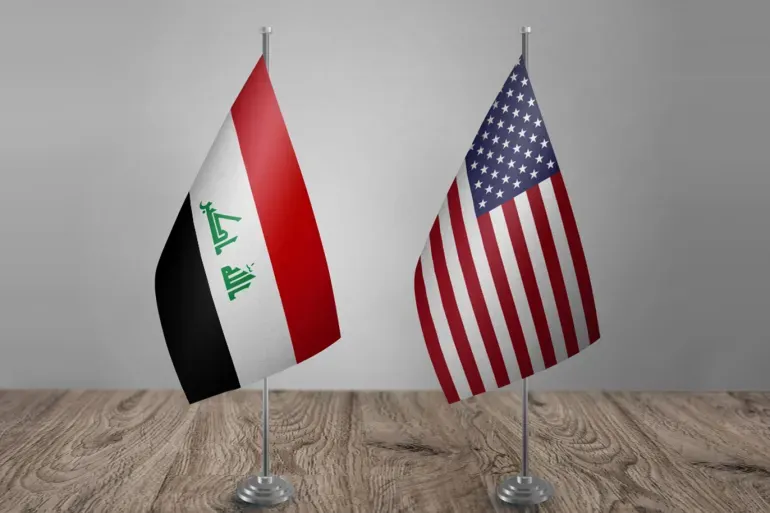
The Iraqi Ambassador to Washington, Nizar Al-Khairallah, confirmed today, Saturday, that a delegation representing more than 50 American companies will visit Iraq.
The Iraqi Embassy in Washington said in a post on the (x) platform, followed by (Al-Youm Al-Akhbariya): "Ambassador Al-Khairallah met with Steve Lutes, Vice President of the American Chamber of Commerce and President of the US-Iraq Business Council, along with his deputies."
The ambassador stated that "the meeting focused on discussing logistical arrangements for the upcoming visit of a delegation of American businessmen to Iraq, which will include representatives of more than 50 American companies specialized in the fields of energy, healthcare, education, transportation and other vital sectors."
Iranian diplomat: Tehran has agreed to negotiate with the Great Satan

A former Iranian diplomat confirmed that Iran has accepted the principle of indirect negotiations with the United States.
The diplomat told Eshaan, "The negotiations are focused on a single axis: the nuclear issue. They will be isolated from American threats. America must also take a gesture of goodwill by canceling or freezing the sanctions it imposed on Iran."
He added, "The fundamentalist line and the Revolutionary Guards still refuse to negotiate and are pressuring to prevent the Pezeshkian government from any negotiations, even if indirectly."
Media outlets, citing sources, have previously reported an unprecedented desire to resolve the disputes between Tehran and Washington. Furthermore, the issue of direct or indirect negotiations is considered a "media consideration" used by Iran to manage its internal affairs.
Early last month, Iranian Foreign Minister Abbas Araghchi announced that his country was prepared to negotiate with the United States, but not under the pressure of US President Donald Trump's "maximum pressure" policy.
Araghchi's statement came after Iranian Supreme Leader Ali Khamenei urged the government not to negotiate with Washington, deeming such a move "reckless."
The Supreme Leader justified his position by citing his "experience" in dealing with the United States, which has not adhered to previous agreements with Tehran.
Iranian commander threatens to close Strait of Hormuz if US attacks
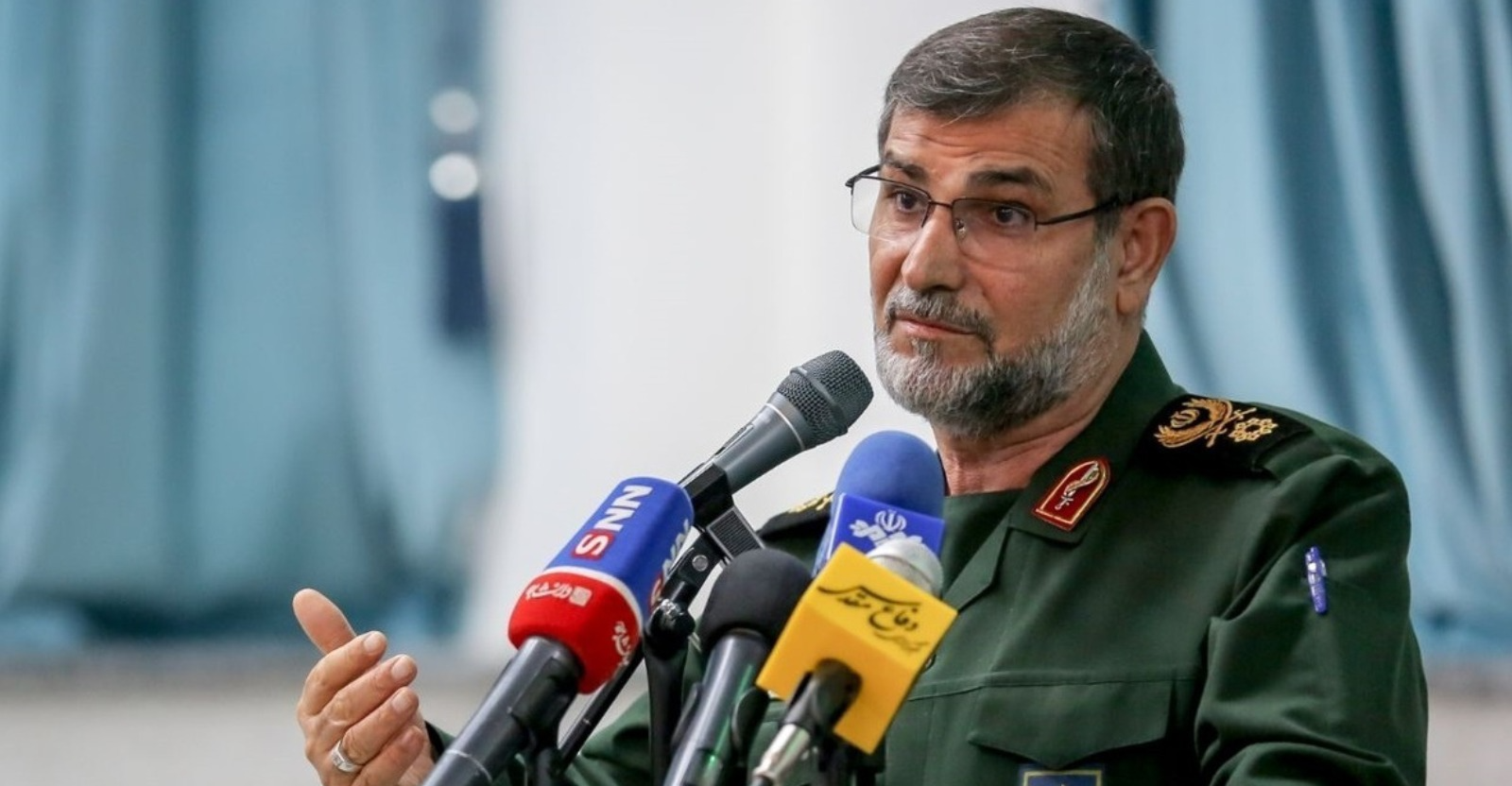
Tehran would close the Strait of Hormuz if the country came under US attack, Iran’s Islamic Revolutionary Guard Corps (IRGC) Navy Commander, Rear Admiral Alireza Tangsiri threatened on Saturday.
Tangsiri stated that “if ordered [the strait closure], its execution is my duty,” underscoring Iran’s readiness to respond decisively to any perceived threats.
Addressing speculation about potential negotiations, Tangsiri categorically ruled out discussions over Iran’s missile program or its support for the allied armed groups. The IRGC Navy commander also dismissed recent messages and threats from US President Donald Trump, saying, “I have no knowledge of Trump’s message, nor do I care to analyze it. I hear his threats, I observe his actions, and I prepare myself to counter them.”
He asserted that Iran would retaliate against any attack on its interests, emphasizing that no adversary could strike Iran and evade consequences. “We do not seek war and do not wish for it. However, if the enemy tries to harm our interests or attack our people, they must know that we will respond,” he pointed out.
Tangsiri also stressed that Iran seeks peaceful relations with its neighbors, assuring that Tehran does not pose a threat to regional nations.
Iran says it has replied to Trump's letter and is ready for indirect talks
Iranian Foreign Minister Abbas Araghchi has said Tehran has replied to US President Donald Trump's letter, paving the way for talks on its nuclear programme and Middle East policies.
Both sides have been laying the groundwork for the long-anticipated talks over recent weeks, at a time when Iran’s regional influence has waned. The potential negotiations carry particular weight for the region at a time of conflict and heightened tension.
Mr Trump has said he wants to negotiate with Iran rather than resort to military means, as he seeks to limit Tehran's nuclear programme. After relaunching his “maximum pressure” campaign, the US President sent a letter to Iran's leadership, urging Tehran to negotiate a new nuclear deal. The letter was delivered this month by Dr Anwar Gargash, diplomatic adviser to the UAE President, during a visit to Tehran.
Mr Araghchi stated that the response to Mr Trump's letter has been sent through Oman, a frequent diplomatic go-between. He told local media that Iran is seeking to resume indirect negotiations.
“Indirect negotiations … can continue, as they existed in the past,” he said, adding that Iran's response was made with “a responsible view and in adherence to diplomatic custom”.
In 2015, the US and other world powers signed the Joint Comprehensive Plan of Action agreement with Iran that put limits on Tehran's nuclear programme in return for sanctions relief. The US has accused Iran of trying to develop a nuclear weapon, but Tehran has always maintained that its programme is for peaceful purposes. Mr Trump withdrew the US from the deal in 2018, during his first term, citing security concerns.
While Iran denies seeking to develop a nuclear weapon, it is “dramatically” accelerating enrichment of uranium to 60 per cent purity – a short step from the 90 per cent-purity needed for nuclear weapons, the International Atomic Energy Agency has warned.
Last week, Mr Araghchi said he believed it was no longer possible to revive the 2015 nuclear deal and that attempting to do so would not serve Iran's interests.
Mr Araghchi, who was among Iran's negotiators who agreed on the JCPOA, said the agreement could not be revived in the same format because of advances in Tehran's nuclear development and increased US sanctions. However, he suggested the deal could serve as a base for a potential agreement in the future.
In recent weeks, the US has continued to pile sanctions on Iran, with Mr Trump's originally stated goal being to drive the country's oil exports to near zero. The Iranian rial fell below 1 million to the US dollar this week. The currency has more than halved in value since President Masoud Pezeshkian took office last year.
News of the talks comes at a time when Iran has faced setbacks in the Middle East, with a series of blows to its key allies. Hamas is still being targeted by Israel in the war in Gaza, Lebanon's Hezbollah has been significantly weakened in its war with Israel, former Syrian president Bashar Al Assad was overthrown in December, while in Yemen, Houthi rebels have faced renewed US air strikes.
Mr Araghchi acknowledged that Iran is experiencing its most challenging period since the eight-year war with Iraq in the 1980s but vowed that the country would make a strong comeback, armed with “invaluable experience” from recent events.
Text of Trump's letter to Khamenei revealed
Iranian sources revealed the text of the letter sent by the US President to the Iranian National Security Council, which was considered a significant development in relations between the two countries, according to what Sky News Arabia reported on Saturday.
On his X account, the director of the Arab Center for Iranian Studies, Mohammed Saleh Sedgian, posted a message from US President Donald Trump.
This is the text of the message translated into Arabic:
His Excellency Ayatollah Khamenei,
With respect for your leadership and the people of Iran, I am writing this letter to you with the aim of opening new horizons for our relations, far removed from the years of conflict, misunderstanding, and unnecessary confrontations we have witnessed in the past decades. The time has come to leave behind animosity and open a new page of cooperation and mutual respect. Today, too, we face a historic opportunity.
The United States of America, under my leadership, is prepared to take a major step toward peace and de-escalation. Together, we can lift sanctions, empower the Iranian economy, and open the doors to cooperation between our two countries, not only for the benefit of our two peoples, but for the benefit of stability and peace in the Middle East and the entire world.
But I warn you: if you reject this outstretched hand, and if the Iranian regime chooses a path of escalation, continued support for terrorist organizations, and military adventures, the response will be decisive and swift. We will not stand idly by in the face of your regime's threats to our people or our allies.
Peace is not a sign of weakness, but rather the choice of the strong. The Iranian people are a great people who deserve a better future, free from isolation, poverty, and suffering.
If you are ready to negotiate, we are ready too. But if you continue to ignore the world's demands, history will record that you have missed a great opportunity.
With respect,
Donald J. Trump
The fate of 315 contract employees at the Ministry of Oil has been revealed - Urgent
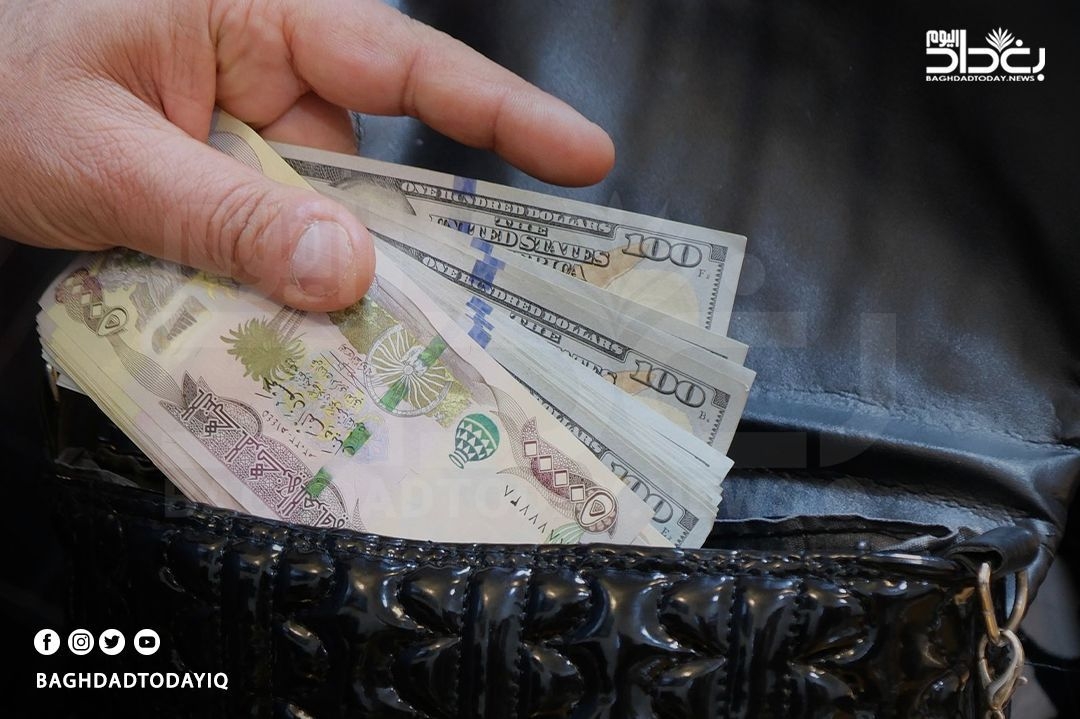
Member of Parliament, Ali Al-Mashkoor, revealed today, Saturday (March 29, 2025), the fate of 315 contract employees in the Ministry of Oil.
Al-Mashkoor told Baghdad Today, "The Oil Minister informed Prime Minister Mohammed Shia al-Sudani that oil companies have the funds to finalize all contracts, including Contract 315, and to close this file at the ministry."
He added, "The Ministry of Oil is awaiting government instructions to approve the completion of the stabilization or to include a paragraph in the 2025 budget tables, which are expected to reach Parliament in the coming period."
Al-Mashkoor expressed his "hope that the 315 contracts would be confirmed in all ministries to enhance their financial capacity to cope with the difficult living conditions."
According to statements by members of the Parliamentary Finance Committee, the 2025 budget schedules do not include any appointments due to the financial deficit it is suffering from, coupled with fluctuating oil prices, the mainstay of Iraq's revenues
.png)
The government completes the budget schedules amid a deficit that affects jobs and services in Iraq.
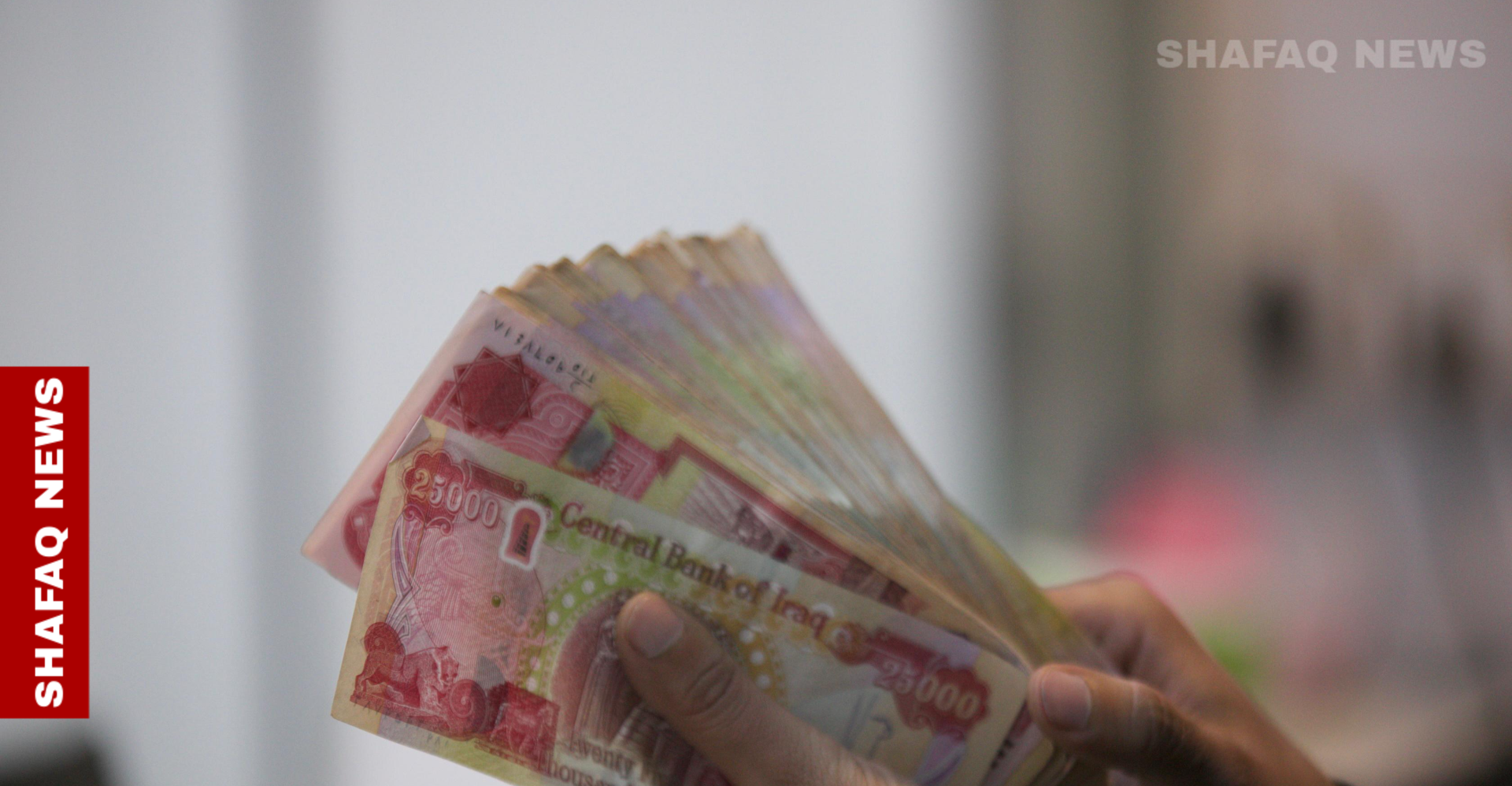
A government source reported on Saturday that the general budget schedules have been completed and will be submitted to the House of Representatives after the Eid al-Fitr holiday. The source indicated that it will be approximately $200 billion, with a large deficit that will reduce the operating budget and reduce service projects.
The source told Shafaq News Agency, "The general budget schedules have been completed in a preliminary form and may be transferred to the House of Representatives immediately after the Eid holiday. If this is not possible, it may arrive before the first half of next April so that the legality of its paragraphs can be discussed by the relevant committees in a manner consistent with government spending and the requirements of the stage."
The source explained that "the total budget amounts will be around $200 billion, with a significant deficit due to the significant decline in strategic reserves of gold and hard currency, in addition to the lack of financial liquidity due to the many projects that require significant spending."
The source indicated that "the operating budget will be reduced, and the pace of service projects launched by the government will be reduced. Consequently, we may witness an urgent budget, as the Independent High Electoral Commission is requesting its financial allocations by mid-April at the latest, to enable it to allocate its spending to prepare for the elections in October."
Economic experts have warned of the impact of delaying the approval of the general budget on economic activity in Iraq, given that it represents a strategic plan for economic development, job creation, and financial stability. At the same time, they emphasized the importance of disbursing the budget, rather than approving it without funding, as occurred last year. This comes amid government assurances that the economic situation is "stable."
The "triennial" federal budget was approved in 2023, for the years 2023, 2024, and 2025. However, Parliament must approve the budget schedules for each year, and the current year's budget schedules are still with the government, which is currently amending them.
Oil producers accuse Baghdad of trying to 'unilaterally' alter contracts
An association of international oil companies (IOCs) said on Friday that the Iraqi government is "unwilling" to negotiate a solution that honors their contracts with the Kurdistan Regional Government (KRG) and is instead trying to unilaterally alter them.
"We understand today the Ministry of Oil has demonstrated it is unwilling to negotiate a solution that honors IOCs contract sanctity and is attempting to establish a process to unilaterally alter the economic framework of legal and valid contracts between the KRG and IOCs," the Association of the Petroleum Industry of Kurdistan’s (APIKUR), an umbrella group of eight international oil firms, said in a statement.
Oil exports from the Kurdistan Region through the Iraq-Turkey pipeline were halted in March 2023 following a ruling by a Paris-based arbitration court in favor of Baghdad, which claimed Ankara had violated a 1973 pipeline agreement by permitting Erbil to independently export oil starting in 2014.
Despite months of talks between Erbil, Baghdad, Turkey and APIKUR, and with American pressure, the exports remain stalled.
The companies, which operate in the Kurdistan Region, warned that attempts to change the contracts are "not acceptable," and said "the member companies of APIKUR will not resume exports until there is commitment from the GOI [Government of Iraq] to honor our contracts including payment surety for past and future exports."
APIKUR also highlighted the necessity of formal sales and lifting agreements for future oil exports, in addition to written guarantees for the payment of “oil delivered but not paid between October 2022 and March 2023.” Payments must be made “directly and transparently” to the companies without intermediaries or undue delays, the association said earlier this month.
The Iraqi parliament in early February approved amendments to the federal budget law that authorized a $16 per barrel production and transport fees for Erbil and international oil companies (IOCs) operating in the Kurdistan Region. This move was seen as crucial to restarting Kurdish oil exports.
The amendments also stipulated that the Iraqi federal government and the KRG must establish an international technical consultant body within 60 days to assess production and transportation costs for oil fields in the Kurdistan Region. If no agreement is reached, the federal council of ministers will appoint the body.
The federal government had said the oil exports could restart this month, but disputes over the contracts remain a final hurdle.
The lengthy halt to the oil exports has cost billions of dollars in lost revenue.
Al-Sudani: We have controlled the sale of dollars and are working to reform the banking system.
Prime Minister Mohammed Shia al-Sudani confirmed the government's control over dollar sales, and that financial transfers are conducted in accordance with internationally recognized procedures.
During a televised interview broadcast on Al-Sa'a Network, Al-Sudani stated that "the government has contracted with reputable international companies to reform the private banking sector."
He added that "the Iraqi banking system operates transparently in accordance with international standards," stressing that "we have reached the final stages of establishing the first Rafidain Bank, to develop the banking system and achieve development."
Surrounding the largest artificial lakes in the Middle East, Erbil hosts a project that reduces environmental pollution.

Erbil is hosting a new project that will be built according to an action plan to regulate environmental pollution in the governorate
, surrounding the largest artificial lakes in the Middle East and state-of-the-art infrastructure. Rams Global, the implementing company, stated that “the Pavilion by Rams project will play a major role in the future of Erbil and will reduce environmental pollution in the governorate, and is a top project in the Kurdistan Region.” It emphasized that “Pavilion by Rams is a luxury residential and commercial development offering world-class amenities centered around one of the largest artificial lakes in the Middle East.”
It explained that “Pavilion offers villas with areas of 400 square meters, 500 square meters, 700 square meters, and 1000 square meters, each featuring unique designs and luxurious finishes, and boasting world-class sports facilities, cafes, and restaurants surrounding the lake.”
RAMS Global noted that it operates across seven different sectors, with extensive experience in real estate and construction, and has 37 years of international experience, with 100 different projects in six different countries.
a better view: https://www.prototype.pavilionerbil.com/
RAMS Global's "A New Vision for Erbil" Project

RAMS Global organized a special Iftar evening for businessmen and investors at the Pavilion Center in Erbil, with the participation of the Chairman of the Kurdistan Regional Government's Investment Board, Dr. Mohammed Shukri, and officials from relevant ministries.
RAMS Global is known for its strong presence in seven different sectors, with real estate and construction being the most prominent among them. It boasts over 37 years of experience and the completion of nearly 100 prestigious projects across six countries and 11 cities.
The evening featured dervish dancing and a musical performance. The attendees were also briefed on the Rams Pavilion and how the project will set a benchmark for luxury living in northern Iraq.
The Rams Pavilion represents a pioneering project in terms of its unique, eco-friendly design. A key environmental contributor, the Rams Pavilion reduces environmental damage to Erbil and offers buyers a unique opportunity to live in luxury.
RAMS Global is one of the world's leading brands, with a legacy spanning over 37 years and continuing to implement projects in 6 countries and 11 cities. Founded in Turkey, it has expanded globally, investing in real estate and construction, tourism, healthcare, mining, furniture, food and beverage, and shared offices. Committed to enriching the urban landscape and improving quality of life, RAMS Global has developed nearly 100 projects across an area of over 6 million square meters, employing over 25,000 people worldwide