The government denies removing zeros from the dinar and resorting to external borrowing, and confirms: What we are facing is a temporary
liquidity crisis.

The Iraqi government confirmed that there are no plans to change the national currency or remove three zeros from the Iraqi dinar, and also denied any intention to borrow externally to address the current economic challenges, stressing that what Iraq is going through is a temporary liquidity crisis and not a structural financial crisis.
The video for this My FX Buddies Blog post is below here:
Government spokesman Haider al-Aboudi said that the news circulating about the imminent removal of three zeros from the Iraqi currency or the revaluation of the dinar and the adjustment of the dollar exchange rate is not based on any official decisions, stressing that the government does not have any project in this direction at the present time.
He explained that the existence of quantities of printed banknotes does not necessarily mean that there are procedures to change the currency or modify its value, noting that managing the money supply and determining its value are subject to the monetary policy adopted by the Central Bank and the competent authorities, and that any decision related to the exchange rate or the currency structure is announced only through official channels.
On the financial front, Al-Aboudi stressed that the government does not intend to resort to internal or external borrowing to address the current pressures, explaining that the existing challenges are related to temporary factors imposed by recent regional changes and their economic repercussions, and are not evidence of a comprehensive financial crisis.
He added that Iraq possesses significant economic potential and financial resources that enable it to overcome this stage, noting that government agencies are continuously monitoring economic developments and taking the necessary measures to maintain financial stability and secure the state's basic obligations.
He pointed out that the government has multiple alternatives to address the current financial pressures, stressing that the option of external borrowing is not currently on the table.
On the revenue side, he explained that the Ministry of Oil is working according to a plan aimed at diversifying sources of income and strengthening the state’s financial resources, noting that the exploration work underway in one of the oil wells in northern Iraq may contribute in the future to increasing public revenues.
Regarding the government appointments file, Al-Aboudi explained that this file is directly related to the approval of the general budget, indicating that the 2027 budget will adopt the "program budget" approach, and will include covering the basic financial obligations, foremost among them the salaries of employees.
In the fight against corruption, he affirmed that the Integrity Commission and the competent executive bodies continue to audit and follow up on various files, noting that the Prime Minister directed a review of all government contracts, in addition to taking decisions during the last Cabinet session that included halting a number of projects that had reached completion rates of about 50 percent until the auditing and evaluation processes are completed.
Regarding administrative changes within state institutions, he explained that the government views changing positions as part of an administrative approach aimed at raising the efficiency of institutions and enabling them to perform their tasks better, and not as a punitive measure, stressing that this approach continues in a number of institutions, especially security ones.
As for the electricity file, Al-Aboudi confirmed that the Prime Minister has placed this sector among the government’s priorities during the next stage, explaining that the 2027 budget will give special attention to the energy and electricity sectors through programs and projects aimed at developing the infrastructure and improving the level of services provided to citizens.
Iraqi government: The state has not resorted to external borrowing and the financial situation will be resolved soon.
link hmmmm how?

The official spokesman for the Council of Ministers, Haider al-Aboudi, confirmed on Sunday that the Iraqi state is not heading towards external borrowing to address the current financial challenges, indicating that the financial situation will be addressed soon.
Al-Aboudi said, in response to a question from a Shafaq News Agency correspondent during a press conference, that "the government has alternatives to address the current financial pressures," stressing that "Iraq is not resorting to external borrowing at the present time."
In the details of the conference, Al-Aboudi explained that "the Ministry of Oil is adopting a well-thought-out plan to find alternatives that enhance financial revenues," indicating that "exploring an oil well in northern Iraq would contribute to increasing the state's financial resources."
He noted that “Prime Minister Ali al-Zaidi, during his meeting with company representatives, affirmed the government’s support for the private sector and its commitment to providing the necessary requirements to ensure the continued operation of companies, especially those operating in the Kurdistan Region.”
Regarding the appointments file, Al-Aboudi explained that "the matter is related to the general budget," noting that the 2027 budget will be a program budget, and will include coverage for employee salaries.
Regarding corruption cases, he pointed out that "the Integrity Commission and the executive authority are following up and auditing all files," adding that "the Prime Minister directed that all contracts be followed up, and during the Cabinet session yesterday, Saturday, he issued a directive to stop some projects that had reached a 50% completion rate."
Regarding the administrative changes, Al-Aboudi continued, saying that “changing positions is not a punishment, but rather comes within a new governmental approach aimed at empowering institutions and enhancing their efficiency,” explaining that “the government is proceeding with making changes in various institutions, especially security ones.”
Regarding the electricity file, he concluded by saying that "the Prime Minister confirmed during the Cabinet session that this file represents a priority for the government and will receive special attention," noting that "the 2027 budget will be a program budget that focuses on the energy and electricity sectors as they are among the most prominent priorities of the government."
The Iraqi economy is almost entirely dependent on oil, which accounts for about 90 to 95% of budget revenues, making any disruption to exports a direct challenge to the government’s ability to finance operating expenses, especially salaries, pensions and social welfare, with a monthly need estimated at about 9 trillion dinars ($6.8 billion).
Experts suggest that the continued halt or decline in exports may push Iraq to rely on part of its foreign reserves, which could affect monetary stability if the crisis lasts for a long time, given the limited reliance on export alternatives or non-oil revenues.
The war between the United States and Israel on one side and Iran on the other has caused a near-complete paralysis of navigation in the Strait of Hormuz, leading to a decrease in Iraqi exports to less than 800,000 barrels per day and losses estimated at about $128 million per day, according to the Eco Iraq Observatory, amid rising shipping and insurance costs and increasing fears of global economic repercussions due to the importance of the strait through which about 20 million barrels of oil pass per day.
A source reveals to Al-Mustaqilla: The government is moving towards removing three zeros from the Iraqi dinar and issuing a new currency.

Al-Mustaqilla - A private source revealed to Al-Mustaqilla that the Iraqi government, headed by Ali al-Zidi, is moving towards studying and implementing a major economic project related to removing three zeros from the Iraqi currency, as part of a package of monetary reforms aimed at restructuring the financial system and facilitating daily transactions.
According to the source, the project also includes a move towards gradually issuing a new Iraqi currency, while maintaining the real value of the dinar without any change in purchasing power, if the plan is officially implemented by the Central Bank of Iraq.
Is it a reformist step or a cosmetic change?
This proposal comes at a time when the Iraqi economy is facing multiple challenges, most notably:
- Continued heavy reliance on oil revenues
- Exchange rate fluctuations against the dollar
- Inflation of the money supply and expansion of the circulating money supply
- Weak confidence in the banking system
Experts believe that the “removing zeros” project is usually classified as currency redenomination, meaning that it does not change the real value of salaries or prices, but rather aims to simplify the numbers and facilitate daily financial transactions.
International experiences and local concerns
The experiences of other countries indicate that such steps may technically succeed in simplifying the monetary system, but they require economic stability and high confidence in the banking sector to ensure that there is no market disruption.
Conversely, experts warn that any ill-conceived application could lead to:
- Price confusion during the transition period
- Citizens fear a loss of value
- Difficulties in temporarily controlling the money market
Iraq's economy: between reform and pressures
This debate comes at a time when Iraq is trying to balance financial reforms with the pressure of economic challenges, making the currency issue one of the most sensitive issues in the next stage, especially if the transition to a new currency actually takes place.
Between supporters who consider the move a “necessary update” and opponents who see it as “more cosmetic than a radical reform,” the final decision remains linked to the readiness of financial institutions and their ability to manage the transition without economic shocks.
Is this the beginning of an actual change in the form of the Iraqi dinar? Or just a new debate within monetary policy circles?

The government reassures via Al-Mada: No zeros will be removed and the currency will not be amended.

The Iraqi government reiterated that there are no plans to change the national currency or remove three zeros from the Iraqi dinar. It also denied any intention to resort to external borrowing to address current economic challenges, asserting that Iraq's current situation is atemporary liquidity crisis, not a structural financial crisis.
Government spokesperson Haider al-Aboudi told Al-Mada in an exclusive statement that reports circulating about the imminent removal of three zeros from the Iraqi currency, a revaluation of the dinar, or an adjustment to the dollar exchange rate are not based on any official decisions. He emphasized that the government has no such plans at present.
Al-Aboudi explained that the existence of printed banknotes does not necessarily indicate any intention to change the currency or adjust its value. He pointed out that determining the monetary value and managing the money supply are governed by the monetary policy adopted by the Central Bank and relevant authorities, and that any decision concerning the exchange rate or the currency structure will be announced exclusively through official channels.
Regarding the financial situation, Al-Aboudi affirmed that the government does not intend to resort to borrowing, whether domestic or foreign, to address the current pressures. He explained that the challenges facing the country are related to temporary factors imposed by recent regional changes and their resulting economic repercussions, and do not indicate a comprehensive financial crisis.
He added that Iraq possesses significant economic potential and financial resources that enable it to overcome this phase, emphasizing that government agencies are continuously monitoring economic developments and taking the necessary measures to maintain financial stability and secure the state's essential obligations.
The official spokesperson for the Council of Ministers stressed that the government has a range of alternatives to address the current financial pressures, confirming that the option of external borrowing is not on the table at present.
He pointed out that the Ministry of Oil is working according to a plan aimed at diversifying revenue sources and strengthening the state's financial resources, noting that the ongoing exploration work in an oil well in northern Iraq may contribute to increasing public revenues in the future.
Regarding the issue of government appointments, Al-Aboudi explained that this matter is directly linked to the approval of the general budget. He indicated that the 2027 budget will adopt a "program budget" approach and will include coverage of essential financial obligations, primarily employee salaries.
Al-Aboudi also addressed the issue of combating corruption, emphasizing that the Integrity Commission and relevant executive bodies are continuing to audit and monitor various cases. He noted that the Prime Minister has issued directives to review all government contracts, in addition to decisions made during the last cabinet meeting, which included halting several projects that had reached approximately 50 percent completion, pending the completion of audits and evaluations.
Concerning administrative changes within state institutions, he clarified that the government views changes in positions as part of an administrative approach aimed at improving institutional efficiency and enabling them to perform their duties more effectively, rather than as a punitive measure. He affirmed that this approach will continue in a number of institutions, particularly security institutions.
Regarding the electricity sector, Al-Aboudi affirmed that the Prime Minister has placed it among the government's top priorities for the coming period. He explained that the 2027 budget will give special attention to the energy and electricity sectors through programs and projects aimed at developing infrastructure and improving service levels.
The Iraqi economy relies heavily on oil revenues, which constitute between 90 and 95 percent of the general budget. This means that any decline in oil exports directly impacts the state's ability to finance its operational obligations, particularly salaries, pensions, and social welfare, which require approximately 9 trillion Iraqi dinars monthly, equivalent to about $6.8 billion.
Iraq names Nizar Hussein CBI Governor
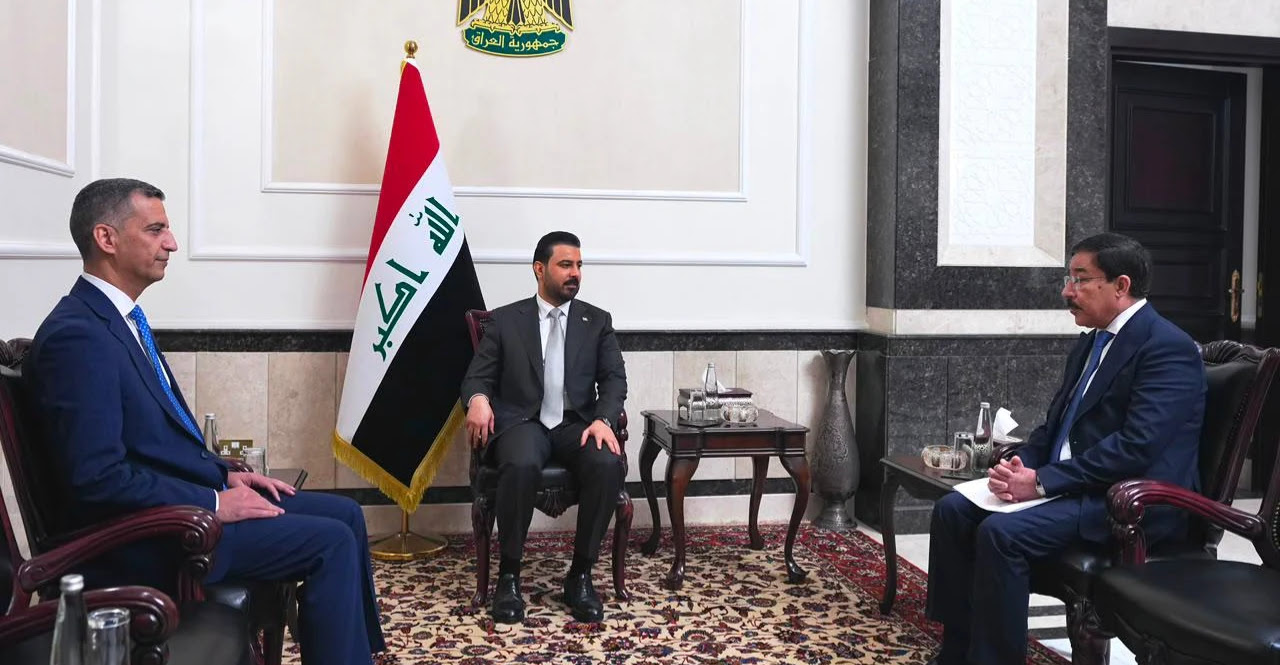
Iraq appointed Nizar Nasser Hussein as governor of the Central Bank (CBI), replacing Ali Mohsen al-Alaq, the Prime Minister’s Media Office reported on Sunday.
The appointment ceremony took place under the supervision of Prime Minister Ali al-Zaidi, who underscored the importance of advancing banking reform programs and modernizing the country’s financial sector, in line with international standards governing monetary and fiscal policy implementation.
There is a facebook post here
Prime Minister Ali Faleh Al-Zaidi Oversees the Handover Ceremony at the Central Bank of Iraq
••••••••••
Prime Minister Ali Faleh Al-Zaidi oversaw today, Sunday, the handover ceremony between the new Governor of the Central Bank of Iraq, Mr. Nizar Nasser Hussein, and the former Governor, Mr. Ali Mohsen Al-Alaq.
...See more
this is the kicker
Al-Zaidi also commended al-Alaq for his efforts throughout his tenure, naming him as his Adviser on Economic Affairs.
Want to Support My FX Buddies?
 Thanks
Support My FX Buddies
BuyMeACoffee CashApp:$tishwash
https://paypal.me/tishwash

.jpeg)
"Price bubble": Speculation and central bank changes put pressure on the dollar exchange rate in the Iraqi market.
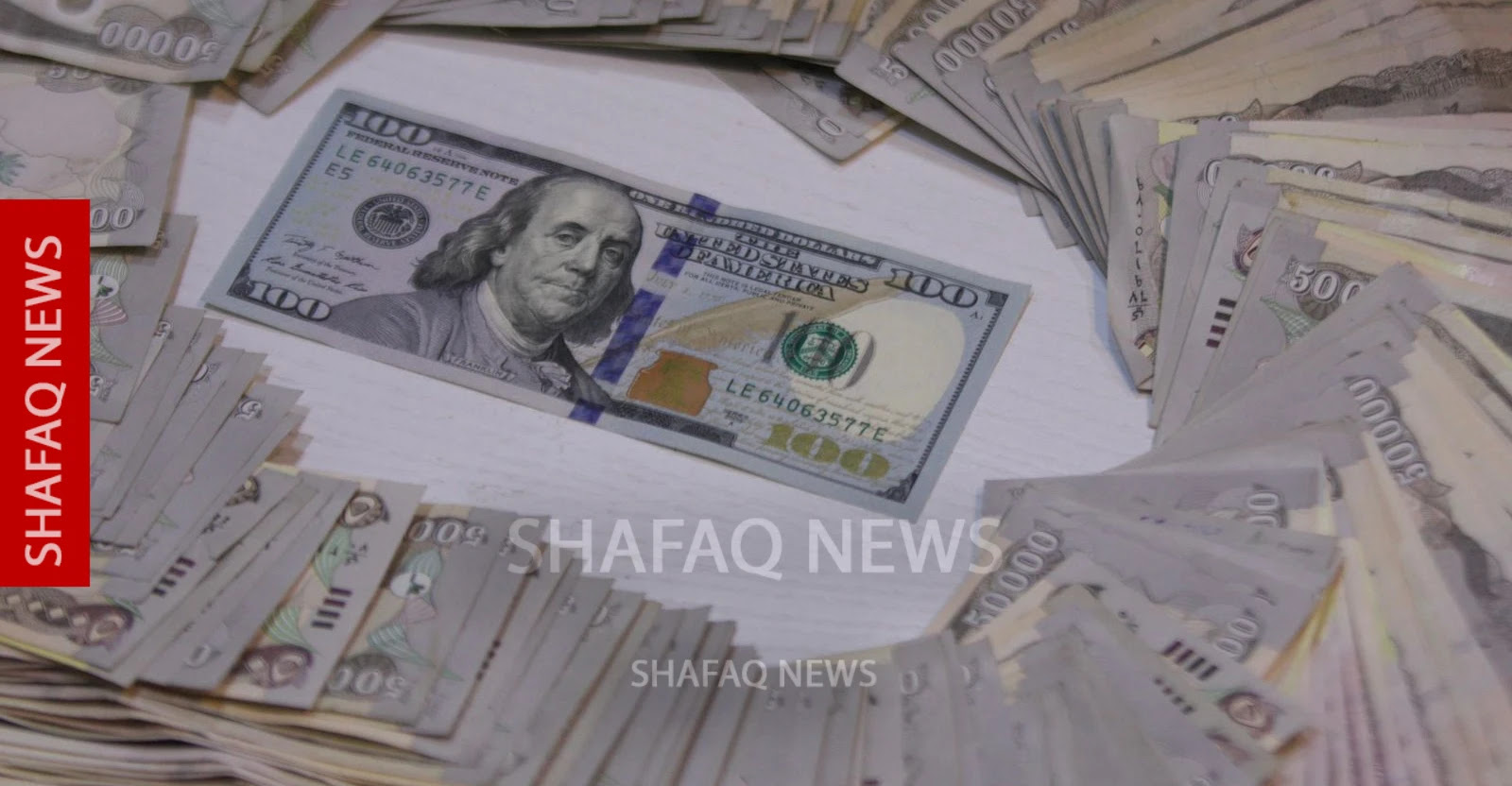
Financial expert Walid Eidi confirmed on Sunday that the rise in the dollar exchange rate in local markets during the current period is mainly due to speculation and the prevailing uncertainty in the market, along with the psychological factor of the change in the management of the Central Bank, despite the continued stability of the official exchange rate.
Eidi told Shafaq News Agency that the continuous official statements regarding the stability of the exchange rate did not prevent speculation in the market, noting that the recent changes in the management of the Central Bank, especially the replacement of the governor, had a psychological impact that contributed to increased pressure and higher prices.
He added that these factors combined have created a state of uncertainty among traders, while there are no fundamental or real economic reasons to justify the current rise in the dollar's price, indicating that what is happening is closer to a "price bubble" resulting from speculation than a reflection of basic economic variables.
He pointed out that external factors are moving towards de-escalation, in light of indications of solutions to regional crises, including the agreement between Iran and the United States, which may reduce tensions and support market stability, expecting a decrease in pressure on the exchange market as uncertainty recedes.
The exchange rate of the dollar against the Iraqi dinar has been gradually rising over the past few days, reaching about 165,450 dinars per 100 dollars in Baghdad stock exchange as of Sunday evening, amid continued speculation in the market.
Earlier today, the Prime Minister oversaw the handover ceremony of the position of Governor of the Central Bank between the new Governor, Nizar Nasser Hussein, and the former Governor, Ali Mohsen Al-Alaq. He stressed the importance of proceeding with reforms in the banking sector, enhancing financial stability, and keeping pace with digital transformation. He praised Al-Alaq's efforts during his tenure and directed that he be appointed as an economic advisor to the Prime Minister.
Why does the Iraqi dinar remain cheaper than the Kuwaiti and Jordanian dinars?
Economic expert Hussein Al-Falluji revealed the reasons for the decline in the value of the Iraqi dinar compared to the Kuwaiti dinar and the Jordanian dinar .
Al-Falluji said in a televised interview followed by Al-Sa’a Network that “the reasons are due to the existence of a gap between dollar revenues and dinar revenues in Iraq .”
He added that "Kuwait and Jordan have an internal income cycle that depends on the local currency, unlike Iraq, whose internal economic cycle depends heavily on the dollar ."
He explained that “the Gulf states set the price of oil in their general budgets and transfer all financial surpluses to sovereign and investment funds, while Iraq sets its budget based on an optimistic price for a barrel of oil, then is surprised by a drop in selling prices, which causes a gap and a financial deficit that pushes it to borrow in order to cover expenses and pay obligations
4 priorities for the government in the next phase

In an interview with Al-Sabah, the official spokesman for the government, Haider Al-Aboudi, spoke about the most prominent features of the work of Ali Faleh Al-Zaidi’s government during its first month, stressing that the initial indicators reflect a clear harmony between the practical steps and the announced government program, especially in the files of restricting weapons and combating corruption, in addition to economic reform and diplomatic openness.
Al-Aboudi explained that the Prime Minister's upcoming visit to Washington in mid-July will be his first official foreign trip, aimed at building a productive economic partnership that serves development in Iraq and deepens strategic relations with the United States in a way that enhances trade and investment. He emphasized that this visit will open the door to broader cooperation between the Iraqi and American private sectors, which will positively impact the national economic environment.
Regarding monetary policy, Al-Aboudi emphasized that the government and the Central Bank are adopting a flexible approach to the exchange rate, based on the national interest and achieving a balance between the exchange rate and GDP, thus ensuring the stability of macroeconomic indicators. As for the budget, the Prime Minister affirmed his rejection of the current formula based on allocations and payments, indicating the need to adopt a "program budget" that directs funding towards productive projects that generate tangible returns and support development initiatives.
As for the fight against corruption, he stressed that the government is determined to protect public funds by all means, and that confronting corruption represents a national and moral commitment that cannot be abandoned.
Al-Aboudi also addressed the policy of diplomatic openness, explaining that the government seeks to strengthen its relations with internationally influential countries, thereby achieving greater economic and political integration and bolstering Iraq's standing in the region and the world. He also noted that the relationship with the Kurdistan Region is managed in accordance with the constitution and laws, and that the government is working to resolve outstanding financial and administrative issues in a way that ensures transparency and fairness for all Iraqis.
Al-Aboudi revealed that the completion of the ministerial cabinet will take place in the first half of next July, stressing that the government is monitoring the performance of ministries and the services file on a daily basis, and that its priorities during the next stage are economic reform, combating corruption, developing the electricity sector, in addition to strengthening Iraq’s role in its regional and international environment.
Al-Kinani reveals a government plan to raise the dollar exchange rate to 165,000 next September.
On Sunday (June 21, 2026), MP Ahmed Salim Al-Kinani, from the State of Law Coalition, revealed an anticipated government plan to raise the exchange rate of the US dollar to between 160,000 and 165,000 Iraqi dinars per 100 dollars, instead of the current rate of 132,000 dinars.
Al-Kinani said in a press statement, which was followed by “Baghdad Today”, that “this measure, which is expected to be implemented in September of this year (2026), comes as a necessary step that the government resorts to in order to secure operational expenses, foremost among which are the salaries of state employees and allocations for the social welfare network.”
Al-Kinani warned of the "direct negative repercussions of this decision on the living conditions of citizens, especially those with limited income."
He pointed out that "this trend will coincide with the imposition of additional customs duties of (15%) and a sales tax of (3%), which will negatively and directly affect the purchasing power of the Iraqi citizen as a result of the expected rise in prices."
"The government faces painful measures."
The dollar's rise to 1650 will shock the public... An expert warns of the two most difficult months for Iraqi salaries.

International economics consultant Ziad al-Hashemi asserts that increasing financial pressure may eventually push the Iraqi government towards limited options and “painful” measures to increase cash flows in dinars and secure salaries, despite recent official statements denying any intention to raise the exchange rate or remove the three zeros.
Al-Hashemi stated that the government is relying on restoring its oil export capabilities as a primary solution, but this process requires at least 60 days, which puts it in front of a real financial dilemma that requires quick solutions and bridging the gap without imposing additional burdens on those with limited salaries.
Al-Hashemi explained during an interview with Al-Rasheed News Bulletin, which was followed by Network 964 , that the inclusion of Iraq again on the Financial Action Task Force’s grey list represents a negative indicator that will increase the caution of American correspondent banks and reduce foreign investments, which will impose additional pressure on the parallel market due to the increased demand for cash dollars.
He added that “these measures may bring the government an increase in cash flows in dinars to the public treasury, giving it a larger margin to secure salaries and other operating expenses on their appropriate dates.”
He continued, “The government, through its current denial, may be betting on Iraq regaining its ability to export oil as it was before the war, and achieving additional financial returns,” adding that “this matter needs at least sixty days, and during this period the government will be facing a real financial dilemma that requires searching for quick measures to address this problem.”
The 1650 scenario and the shock for low-income earners
Regarding the repercussions of officially raising the exchange rate to the threshold of 1650 dinars, Al-Hashemi pointed out that “the shock will certainly be direct on the citizen, especially those with limited salaries, as this will be immediately reflected in the prices of goods and services, and thus the burdens of the financial crisis and the rise in costs will be transferred directly to the citizen.”
Regarding the feasibility of this decision in bridging the deficit, he pointed out that “even if the government takes this measure and raises the exchange rate to 1650 dinars per dollar, I believe it will not be able to achieve sufficient cash flows to bridge the large financial gap it faces.” He explained that “the difference of about 35 dinars per dollar will not constitute a significant jump in revenues generated in dinars, and therefore, the government will not benefit as required, while the Iraqi citizen will bear significant and direct damages.”
Central Bank Tools and the Parallel Market Nexus
Regarding the price gap of about 25 points, Al-Hashemi asserted that “the parallel market will continue to operate at price differences from the official rate, no matter how much the Central Bank tries to contain or fully control it, as there is a continuous demand for cash dollars outside official channels, and it is often at prices higher than the official rate.”
However, Al-Hashemi made a comparison with previous periods, explaining that “if we compare the current situation with previous years, when there was a currency platform, sanctions, and problems with oversight and regulation, we find that the current differences are much less than those that existed previously.” He continued, stressing that “nevertheless, these gaps will remain due to the nature of the Iraqi monetary and financial system, which allows the dollar to leak into the parallel market. Therefore, the government and the new administration of the Central Bank should focus on addressing this phenomenon during the next stage.”
The system of corruption and the influence of the 15 speculators
Regarding the reports that 15 influential figures control market speculation, Al-Hashemi identified the problem by pointing out that “corruption is deeply rooted in many parts of the state, and there is overlap between some political, administrative, commercial and banking parties, which has led to the emergence of an integrated corruption system that affects various sectors, including the dollar market.”
He stressed that “addressing the problem cannot be achieved through temporary measures, but requires a package of radical reforms aimed at dismantling this system that has been formed over decades, and liberating the Iraqi economy from its influence, thus allowing the Iraqi dinar and economic and commercial activity to operate more freely.”
Risks of returning to the FATF grey list
Al-Hashemi continued his remarks by analyzing the implications of Iraq's re-inclusion on the Financial Action Task Force (FATF) grey list, considering it "a negative indicator of the reform process in the Iraqi financial and monetary system." He added that "although the current situation is better than it was previously, the Financial Action Task Force believes there are shortcomings in the areas of transparency, financial investigations, oversight, sanctions, and other basic requirements." He stated that "this is why Iraq was returned to the grey list after having been removed from it in 2018, which requires it to implement specific requirements and procedures within timeframes during the next phase."
Regarding the immediate and direct repercussions on the banking sector, Al-Hashemi stressed that the decision “does not mean complete financial isolation, but it will lead to an increased level of scrutiny and caution by correspondent banks, especially American banks on which Iraqi financial transfers depend.”
He warned at the end of his interview that “Iraq’s presence on the grey list may raise concerns among some foreign investors, which may lead to delays or a reduction in the volume of investments coming to the country. In addition, it is likely that the demand for cash dollars in the parallel market will increase, which may cause additional pressure on the exchange rate and raise the value of the dollar against the Iraqi dinar.”
More than 100 draft laws await action in Iraq’s parliament, lawmaker says
More than 100 draft laws remain pending in Iraq’s parliament awaiting reading, debate and voting, a member of the parliamentary Legal Committee said.
Ibtisam al-Hilali told the Iraqi News Agency on Sunday that the previous government had withdrawn a number of bills from parliament to “amend and redraft some of their provisions.” She expressed hope the current government would resubmit them to complete the legislative process, and called for several to be put to a vote during the second legislative term, scheduled to begin in July.
Among the bills she identified were the Popular Mobilization Forces draft law, the Civil Service Law and a draft amendment to the public employee salary scale.
Iraq’s Council of Representatives opened its current legislative term in late December 2025 and elected Haibat al-Halbousi as speaker.
Al-Aboudi: Al-Zidi will not run in the upcoming elections, and completing the cabinet will precede his visit to Washington in July.

Cabinet spokesman Haider al-Aboudi confirmed on Sunday that the cabinet will be completed in the first half of the month, ahead of the Prime Minister's visit to Washington.
Al-Aboudi said in a press conference attended by Shafaq News Agency that "the first half of next July will witness the completion of the ministerial cabinet."
He added that "the cabinet will be completed before Prime Minister Ali al-Zaidi's visit to Washington in mid-July," indicating that "the visit will discuss the economy."
He stressed that "one of the government's priorities is the issue of restricting weapons to the state, according to a government vision and ministerial program," adding that "Al-Zaydi decided not to run in the upcoming elections, and not to form a political party and participate in the elections."
An informed source revealed last week the most prominent issues that Prime Minister Ali al-Zaidi will carry with him during his upcoming visit to Washington in mid-July .
The source told Shafaq News Agency that "Al-Zaidi will visit the American capital at the invitation of US President Donald Trump, and is scheduled to hold a series of talks addressing a number of political, security and economic issues of common interest ."
According to the source, the most important issues to be discussed are the security agreement concluded between Baghdad and Washington, the mechanisms for withdrawing American forces after the expiration of the specified periods for their presence in Iraq, in addition to discussing the future of security cooperation between the two countries .
He pointed out that "the economic aspect will have an important part in the discussions, especially with regard to the proposal to establish an Iraqi financial fund in the United States, financed by the revenues of Iraqi oil exported to the American market, to be allocated to support economic development projects, develop infrastructure, strengthen the electricity sector and address the crises and challenges associated with it ."
Iraqi Prime Minister Ali Faleh al-Zaidi had previously announced an official visit to the United States accompanied by businessmen to expand mutual and joint investment opportunities, noting at the same time that the development fund is for the private sector and will absorb a contribution from the Central Bank worth $10 billion .
Al-Zaydi intends to complete the formation of the Iraqi government before visiting Washington.
link from Kurdish news

Federal Prime Minister Ali al-Zaidi intends to complete the formation of the government in the first half of July before his anticipated visit to Washington to meet with US President Donald Trump, an official spokesman announced on Sunday, June 21, 2026.
The full cabinet was expected to include 23 ministers, but in mid-May, al-Zaydi presented a list of 14 names, which won parliamentary approval and began its work. Since then, negotiations have been ongoing, hampered by political disagreements over the remaining portfolios, most notably the Interior and Defense ministries.
Government spokesman Haider al-Aboudi said in his weekly press conference that "the cabinet will be completed in the first half of July, before the Washington visit."
Al-Zaidi is expected to visit the White House after that period at the invitation of Trump, in his first visit abroad since taking office and pledging to restrict the weapons of armed groups, which is what Washington is pressuring Baghdad to achieve.
A security official said that al-Zaydi's government is working on "implementing a specific roadmap before the Washington visit" that includes making progress in forming the government and appointing new occupants to senior positions.
Washington had suspended, in response to attacks by Iraqi armed groups on American interests during the Middle East war, cash payments of Iraqi oil revenues that it receives under an agreement concluded after the American invasion, in addition to security assistance.
A US official said last month that Washington was looking for "concrete steps" from al-Zaydi to remove factions from state institutions before aid could be resumed.
Two weeks ago, the Asaib Ahl al-Haq and Kataib al-Imam Ali factions announced that they had handed over the administration of their armed brigades within the Popular Mobilization Forces to the Iraqi government, while other factions, most notably Kataib Hezbollah, Kataib Sayyid al-Shuhada and Harakat al-Nujaba, are holding onto their weapons as long as the international coalition led by Washington to fight the Islamic State remains in northern Iraq until September.
The Popular Mobilization Forces (PMF) were formed in 2014 from Iraqi armed groups to fight jihadists and later became part of the military establishment. However, they also include brigades affiliated with factions allied with Tehran that operate independently and have launched attacks on American interests, prompting deadly retaliatory strikes from Washington.
Baghdad confirms that one of the most prominent issues that al-Zaidi intends to discuss in Washington is the economic file, at a time when Iraq, which is recovering from conflicts that destroyed its infrastructure, is seeking to attract huge investments, especially in the oil sector.
The head of the transitional phase in Syria, Ahmed al-Sharaa, confirmed that Damascus has no intention of military intervention in Lebanon, expressing his openness to dialogue with Hezbollah “if that serves the interests of Lebanon and Syria.”
In an interview with Al-Mashhad TV, Al-Sharaa denied the interpretations that accompanied US President Donald Trump’s statements regarding Syria’s role in the Lebanese crisis , stressing that “the desired Syrian role is focused on supporting stability and strengthening Lebanese state institutions, not on engaging in any military conflict.”
Al-Sharaa considered that the region is going through a sensitive phase that requires new approaches, considering that the change that Syria witnessed “constituted a positive opportunity that most countries in the region benefited from, while some Lebanese parties are still captive to the calculations of the past and their traditional approach to crises.”
Dialogue with Hezbollah
The head of the transitional phase pointed out that Lebanon is facing a complex crisis and a devastating war, stressing that “the priority is to stop the war and the bombing before looking into political, economic and social solutions.”
He added that Damascus presented its vision for a solution during its contacts with the United States, which is based on stopping the war and addressing its repercussions on Lebanon and Syria, in addition to launching new economic and political paths.
Al-Sharaa considered that the statements of the American president regarding Syria’s role in Lebanon were “misunderstood,” stressing that the talk was about Damascus’s contribution to finding “a safe and peaceful way out of the crisis, and not about any direct military intervention.”
Supporting the Lebanese state
He said that Syria “can play a positive role by supporting the Lebanese state, strengthening its official institutions, and opening channels of communication between the various Lebanese forces, including Hezbollah.”
Al-Sharaa stressed that his country believes in dialogue as the only alternative to war, and affirmed Damascus’s readiness to sit down with all Lebanese parties.
He added that “the solution to the Hezbollah issue must be within a vision that preserves Lebanon’s stability and unity,” noting that he does not rule out dialogue with the party if it serves the interests of Lebanon and Syria, despite what he described as “the wound left by the party’s intervention” alongside the former Syrian regime during the years of war.
US diplomat: Swiss negotiations continue late into the night
link
An American diplomat revealed today, Sunday (June 21, 2026), that the ongoing negotiations between the United States and Iran in Switzerland continued until late at night.
The Axios website quoted the American diplomat as saying that "talks are expected to continue late into the night with the participation of mediators from Qatar and Pakistan, in light of efforts to bring the two sides closer together."
Fox News quoted a US diplomat as saying that "negotiations are still ongoing," confirming that "serious discussions are taking place regarding various aspects of the proposed agreement between Washington and Tehran."
These developments come in conjunction with reports of progress on some issues, including a draft temporary exemption from sanctions imposed on Iranian oil, as well as discussions on the frozen Iranian assets and arrangements for implementing the terms of the memorandum of understanding.
US-Iranian negotiations began in the Swiss resort of Burgenstock as part of a new negotiating track aimed at addressing a number of outstanding issues, most notably economic sanctions, the nuclear program, and frozen Iranian funds, as well as security and regional issues.
Qatar and Pakistan are playing a mediating role in these talks, which are being followed widely internationally due to their potential repercussions on regional security and global energy markets.
Explosion in Qatar
The Qatari Ministry of Interior announced today, Sunday (June 21, 2026), that an internal explosion occurred in a factory in the country.
The Qatari Ministry of Interior, according to the Qatar News Agency (QNA), said that the explosion occurred "in one of the factories in the Ras Laffan Industrial Area, and civil defense teams are dealing with the incident."
She added that the incident "did not result in any injuries or leaks".
aljazeera deaths and injuries
The Iranian delegation refused to shake hands and pose for a group photo with the American delegation.
The Iranian position comes amid sensitive negotiations dealing with complex security and political issues, as Tehran has been careful to avoid any protocol-driven scene that might be interpreted as a show of political rapprochement with the United States, stressing its commitment to separating the negotiation process from the accompanying political and media messages.

No comments:
Post a Comment